From fish fry to fine dining: how bahamian cuisine stepped into the spotlight
Walk along Arawak Cay at dusk and you feel the old guard of bahamian cuisine at full volume. Smoke from grills curls over the fish fry shacks while conch sizzles in hot oil and the air smells of fried fish and black pepper. A few kilometres away in Nassau’s luxury hotels, a new generation of chefs is plating the same bahamian dishes with quiet precision, turning everyday bahamian food into tasting menus that finally stand apart from generic Caribbean hotel fare.
For years, many travellers treated food in the bahamas as an afterthought, assuming the islands meant imported steaks, anonymous buffets and a token conch salad. Bahamian chefs were often pushed to cook international dishes while local fishermen watched their fresh seafood shipped to cruise suppliers instead of hotel dining rooms. That is changing fast as high end properties now compete to show how a single bahamian dish such as boiled fish or cracked conch can carry the same weight as any European classic when the fish is landed that morning and the lime juice is squeezed to order.
The shift is visible in how luxury kitchens now reference the fish fry rather than run from it, treating Arawak Cay as a benchmark rather than a curiosity. At the traditional stalls, cracked conch and conch fritters are fried hard, served with salt, pepper, hot sauce and a side dish of peas rice or mac cheese on plastic plates. In the city’s premium hotels, the same conch appears as a delicate conch salad with diced pepper, citrus dressing poured tableside, or as a refined boiled fish broth poured over johnny cake croutons and fried plantains.
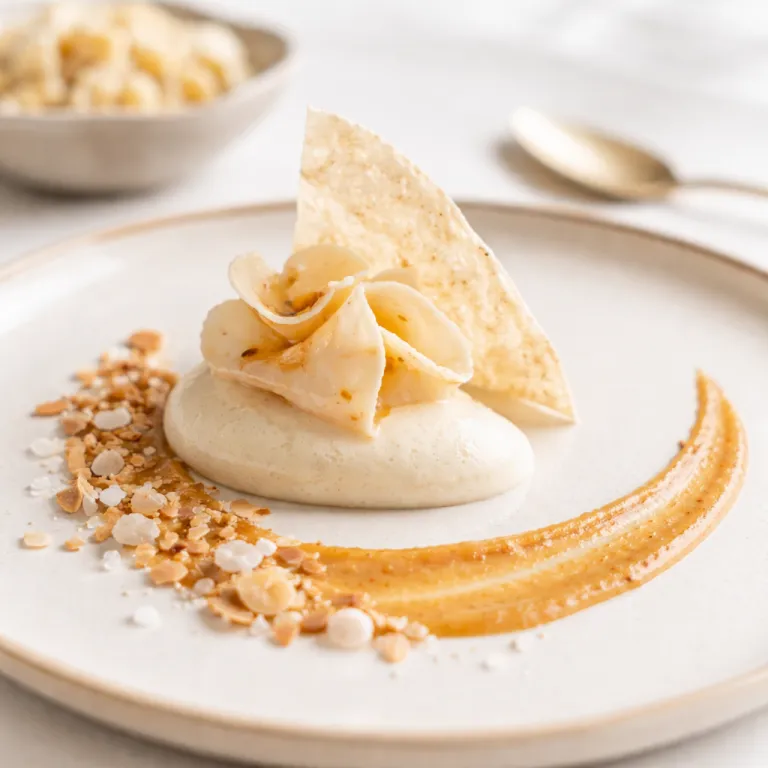
Graycliff Restaurant in Nassau was one of the first fine dining rooms to take bahamian cuisine seriously, long before it became a marketing hook. Its kitchen reinterpreted guava duff as a plated dessert rather than a family style cake, pairing the steamed guava cake with aged rum and a drizzle of citrus juice instead of condensed milk alone. That approach opened the door for other luxury destinations across the islands to treat bahamian dishes as a foundation for creativity rather than something that will be served only at casual beach bars.
Part of the reason bahamian food was historically overlooked lies in how the bahamas was sold to travellers. Brochures focused on beaches, rum cocktails and generic Caribbean buffets, while the national ingredient, conch, was reduced to a novelty fritter rather than a serious dish. When you book a premium room today, the conversation has shifted; hotels now highlight tasting journeys through bahamian dishes, pairing fresh seafood with serious wine lists and rum flights that trace the archipelago’s trading history.
Local context matters here, and the dataset on annual seafood consumption in the bahamas underlines it. With around 50 kg of seafood eaten per person each year according to the Bahamian Ministry of Agriculture and Marine Resources (latest figures cited in national fisheries reports), the islands sit among the heaviest seafood consumers in the region. That appetite, combined with rich fishing grounds around New Providence and the Out Islands, gives luxury hotel kitchens a deep pantry of fish, lobster and crab for every dish they send out to the dining room.
The new bahamian vanguard: chefs, hotels and a modern island palate
The most interesting tables in the bahamas now sit inside luxury hotels that treat their restaurants as culinary flagships rather than captive dining rooms. In Nassau and on Paradise Island, you will find tasting menus where conch salad is reimagined as a chilled consommé, poured over cubes of marinated conch and compressed watermelon with a spray of lime juice. These chefs are not copying other Caribbean resorts; they are building a language of bahamian cuisine that starts with what local fishermen and farmers bring to the back door each morning.
Graycliff Restaurant remains a reference point, especially for travellers who want to see how a historic property can lead a modern movement. Its cellar is legendary, yet the most telling detail is how often the menu returns to bahamian dishes such as boiled fish, peas rice and johnny cake, each treated with the same respect as imported foie gras. A plate of fried plantains might arrive as a minimalist side dish, dusted with black pepper and sea salt, while a slice of rum cake is paired with a serious aged rum rather than a generic sweet liqueur.
Across the islands, younger bahamian chefs are pushing further, often in partnership with luxury hotel brands that give them room to experiment. At resorts such as Rosewood Baha Mar and The Ocean Club, A Four Seasons Resort, you will see conch fritters lightened into almost weightless beignets, served with a foam of roasted pepper and lime instead of heavy mayonnaise, or cracked conch pounded thinner, quickly fried and plated with mac cheese that has been baked like a French gratin. Bahamian food in these dining rooms is no longer a themed night; it is the spine of the menu, from the first juice pairing to the final cake course.
For solo travellers who choose hotels through their restaurants, this matters more than any infinity pool. A property that lists boiled fish and grits on its breakfast menu, or offers a late night bowl of fish stew with johnny cake, signals a commitment to bahamian cuisine that goes beyond marketing copy. When that same hotel can talk you through which islands your fresh seafood came from, or which bahamian dishes are rooted in Andros or Eleuthera, you know you are in the right place.
One practical way to filter properties is to look at how they talk about food in their offers and packages. On platforms such as curated luxury hotel collections for the bahamas, the best listings now highlight chef collaborations, farm to table nights and rum pairing dinners rather than generic buffets. When a hotel promotes a guava duff masterclass, a fish fry inspired beach party or a tasting of bahamian dishes built around conch, you can expect a more serious approach once you sit down at the table.
The official guidance for visitors from the Bahamas Ministry of Tourism, Investments & Aviation aligns with this new seriousness about food. Local tourism boards actively encourage travellers to “Try conch dishes”, “Visit local markets”, and “Attend food festivals”, positioning bahamian cuisine as a core part of the trip rather than a side activity. For luxury hotels, this is both an opportunity and a challenge; the guests arriving at check in now expect conch salad as fresh as anything at Arawak Cay, peas rice cooked properly with salt and black pepper, and rum cake that tastes of the islands rather than a factory.
From dock to dining room: local sourcing, sustainability and the luxury plate
The most compelling story in bahamian cuisine right now is not on the plate but in the supply chain. High end hotels are finally aligning their menus with the reality that the bahamas is an island nation where fresh seafood, tropical fruit and peppers grow within a short boat ride or drive. That alignment is reshaping how conch, fish and crab move from local fishermen to white tablecloth dining rooms across the islands.
On New Providence, you can watch local fishermen unload crates of snapper, grouper and lobster at the docks in the morning, then see the same fish on a luxury hotel menu that evening. When a restaurant lists boiled fish with johnny cake and notes the specific cay where the fish was caught, it turns a simple dish into a narrative about place. The same is true for conch salad, where chefs now insist on live conch, chopped to order and dressed with lime juice, orange juice, diced pepper and a measured hit of salt and pepper.
Farmers are part of this story as well, supplying peppers, limes, pineapples and guavas that underpin many bahamian dishes. A serious kitchen will serve peas rice made with local pigeon peas, coconut milk and a stock built from fish bones, turning what was once a background side dish into a highlight. Guava duff, traditionally a dense steamed cake, now appears in lighter versions that still honour the original bahamian food while pairing beautifully with a glass of aged rum or a pour of dessert wine.
Sustainability is not a marketing afterthought in this context; it is a survival strategy for both cuisine and tourism. The bahamas has embraced sustainable fishing practices in response to pressure on conch stocks and reef fish, and luxury hotels that rely on fresh seafood have a direct stake in those policies. When a property can explain why conch fritters are off the menu during certain periods, or why a fish fry themed night uses lionfish instead of grouper, it signals a deeper respect for the marine environment.
Guests are increasingly aware that their plate choices affect the reefs and flats they snorkel and fish on the same day. Choosing boiled fish made from abundant species, or ordering a conch salad only where local regulations are respected, becomes part of responsible luxury. The same logic applies to rum cake and other sweets; when a hotel sources its rum from producers that support mangrove restoration or marine conservation, every slice of cake and every rum pairing tells a broader story about the islands.
The official Q&A on local food culture from tourism authorities captures this balance between pleasure and practicality. When asked “What is the national dish of the Bahamas?”, the answer is clear and simple: “Conch is the national dish.”, a line echoed in Bahamas Ministry of Tourism fact sheets that helps chefs, hoteliers and travellers align expectations around what should anchor a serious bahamian menu. The same guidance notes that “Are there vegetarian options in Bahamian cuisine?” and replies “Yes, dishes like peas and rice are vegetarian-friendly.”, while also answering “Is Bahamian cuisine spicy?” with “Some dishes are spicy, but many are mild.”, which reassures guests who may be wary of too much pepper or black pepper heat.
Festival culture, hotel strategy and how to eat like a local in luxury
Food festivals have become the new testing ground for bahamian cuisine, and luxury hotels are paying attention. Events such as the Nassau Paradise Island Wine & Food Festival, profiled by the Nassau Paradise Island Promotion Board, bring international chefs into direct conversation with bahamian chefs, local fishermen and farmers. The result is a cross pollination where a simple conch dish from a fish fry stall can inspire a multi course tasting menu back at a five star property.
Programming built around themes like “Taste of Paradise”, “Island Food Trail” and “Gourmet Under the Stars” has a direct impact on what appears in hotel dining rooms. When visiting chefs spend time at Arawak Cay, tasting cracked conch, conch fritters and boiled fish at the fish fry, they carry those flavours back into collaborative dinners hosted by luxury resorts. Suddenly, a guava duff dessert or a johnny cake side dish is not a token local gesture but a centrepiece of a menu that treats bahamian dishes as equal to any other Caribbean cuisine.
These festivals also foreground sustainability, often in partnership with marine conservation programmes that operate across the islands. Panels on sustainable fishing practices, farm to table sourcing and responsible rum production give hotel decision makers concrete frameworks for their own operations. When a general manager hears directly from local fishermen about the pressure on conch stocks, it becomes easier to justify menu changes that favour fresh seafood from more resilient species while still honouring bahamian food traditions.
For the solo explorer choosing where to stay, this ecosystem of events and partnerships offers a useful filter. Look for hotels that host visiting chefs during festival periods, or that advertise special menus built around bahamian cuisine rather than generic Caribbean buffets. A property that promotes a weekend of fish fry inspired dinners, complete with fried plantains, peas rice, mac cheese and rum cake, is signalling that it takes the local palate seriously.
Once you are on property, pay attention to the small details that separate marketing from meaning. Does the bar offer a rum flight that explains which islands each bottle comes from, or a juice pairing that uses local fruits with a squeeze of lime in each glass? Does room service list boiled fish and johnny cake for breakfast, or a late night plate of fried fish with a proper side dish of peas rice and a wedge of lime to cut the richness?
Ultimately, the most rewarding luxury stays in the bahamas are those where bahamian cuisine shapes your entire day, from the first sip of juice at breakfast to the last forkful of cake at dinner. You might start with conch salad at a beach bar, move to a refined cracked conch course in a hotel dining room, then end with guava duff and rum cake under the stars while a local band plays. In those moments, the line between fish fry and fine dining disappears, and the bahamas feels less like a generic Caribbean destination and more like a collection of islands with a confident, unmistakable culinary voice.
Key figures shaping luxury bahamian cuisine
- Annual seafood consumption in the bahamas is around 50 kg per person according to the Bahamian Ministry of Agriculture and Marine Resources, a level that underpins the central role of fresh seafood in bahamian dishes and hotel menus.
- Local tourism guidance highlights three core actions for visitors — “Try conch dishes”, “Visit local markets”, and “Attend food festivals” — signalling that bahamian cuisine is now positioned as a primary travel driver rather than a secondary activity.
- Breakfast, lunch and dinner patterns in traditional bahamian food culture often follow a sequence of boiled fish and grits in the morning, conch salad at midday and cracked conch in the evening, a rhythm that many luxury hotels now echo in their daily offerings.
- Official Q&A materials emphasise that peas rice can serve as a vegetarian friendly side dish within bahamian cuisine, encouraging hotels to design menus that balance fresh seafood with plant based options for international guests.
References
- Bahamian Ministry of Agriculture and Marine Resources (national fisheries and seafood consumption reports)
- Bahamas Ministry of Tourism, Investments & Aviation (official cuisine and cultural Q&A materials)
- Nassau Paradise Island Promotion Board (festival and event programming for Nassau Paradise Island Wine & Food Festival)