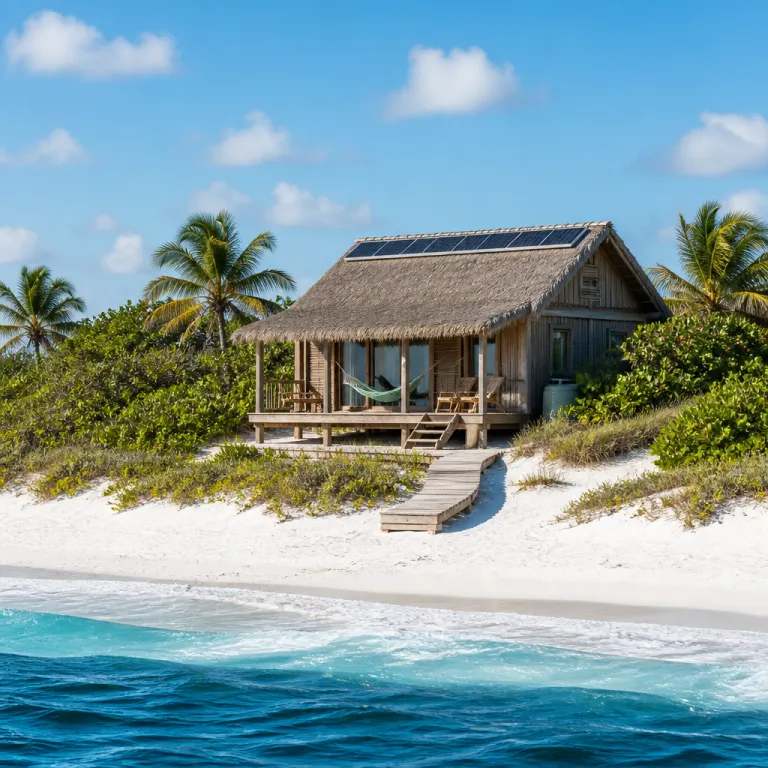
Section 1 – Why a Bahamas eco lodge sustainable stay belongs on your radar
A Bahamas eco lodge sustainable stay places you close to the islands’ wild heart. In a country that welcomed more than 7 million visitors in 2023, according to the Bahamas Ministry of Tourism, choosing low impact accommodation is one of the few ways an individual traveler can genuinely influence how land and sea are treated. For solo explorers, this style of travel turns a simple resort booking into a direct investment in marine habitats, local communities and the future of Bahamian conservation.
Across the Bahamas, eco-lodges are usually small scale properties built with local materials and powered partly by solar panels, rainwater harvesting and other low impact systems. The goal is not rustic deprivation but a sustainable version of comfort, where you can sleep in high thread count linens while knowing your stay supports protected areas and endangered species research. When you choose this kind of retreat instead of a conventional hotel on Paradise Island or Grand Bahama, you are effectively voting for coral reefs, sea turtle nesting beaches and marine protected zones with your room rate.
True eco properties in the Bahamian national landscape go beyond a token recycling bin or a towel reuse sign. They work with environmental organizations, local foundations and the Bahamas National Trust to align operations with national park management and marine life protection. For travelers, that means guided access to national park trails, blue holes, coral reef systems and West Side mangrove flats that are usually reserved for scientists and conservation teams, turning your sustainable stay in the Bahamas into a rare learning experience.
Section 2 – How to tell a real eco lodge from a greenwashed resort
Not every resort that uses the word eco delivers a genuinely sustainable stay in the Bahamas. A credible Bahamas eco-lodge experience starts with the bones of the property, from low rise buildings that sit lightly on the land to energy systems that rely on solar power rather than diesel generators whenever possible. Look for resorts that publish clear information on water use, waste management and energy mix on their website, instead of vague promises about being green.
Construction materials matter on every island, whether you are on Andros Island, Eleuthera or a remote cay in the Exumas. Properties that use sustainably harvested timber, natural ventilation and rainwater systems reduce pressure on fragile island aquifers and coastal habitats, while concrete heavy builds often disrupt wildlife corridors and nearby coral reefs. A serious eco resort will also limit artificial lighting along the shore to protect sea turtle nesting sites and other nocturnal marine species that rely on dark skies.
Partnerships are another litmus test for authenticity in the Bahamas eco lodge sustainable stay space. Many of the most respected lodges collaborate with the Bahamas National Trust and local conservation foundations on marine protected projects, coral reef monitoring and national park stewardship, and they invite guests to learn about these initiatives during their travel. For a deeper dive into how high end properties are aligning with conservation, read the analysis on why the Bahamas is betting its future on eco luxury, which unpacks how luxury and eco principles now intersect across the archipelago.
Section 3 – Andros: where bonefishing lodges double as conservation classrooms
Andros is the quiet giant of the Bahamas, a vast island laced with blue holes, mangrove creeks and one of the longest barrier coral reefs in the region. Here, a Bahamas eco lodge sustainable stay often revolves around bonefishing, birding and immersion in the West Side’s labyrinth of flats where land and sea blur into a single shimmering habitat. This west side of Andros Island forms part of a huge marine protected area, and staying here gives you front row access to some of the most intact marine life in the country.
Small Hope Bay Lodge, usually shortened to Small Hope by regulars, is the historic eco friendly resort that set the tone on North Andros decades ago. Built from local stone and timber, this resort has long used solar power, composting systems and careful waste management to reduce impact on nearby coral reefs and seagrass beds that shelter countless marine species. Days here might include guided snorkeling over coral reefs, kayaking through mangrove habitats to look for endangered species such as the Andros iguana, or joining a naturalist to learn how different species use the same stretch of land and sea.
Farther south, South Andros and the remote cays off its west side host a handful of lodges that operate almost like field stations for conservation minded anglers. Many work closely with the Bahamas National Trust and other partners to monitor marine life, track sea turtle movements and support research on how climate change is affecting local habitats. As the country prepares for major sustainability events such as the global sustainable tourism conference in the Bahamas, Andros stands out as a living case study of how an eco focused stay can anchor both science and high end travel.
Section 4 – Eleuthera, Exumas and Cat Island: different islands, different eco luxuries
Move east from Andros and the eco story shifts in tone on Eleuthera, where long pink sand beaches and farm dotted hillsides shape a different kind of Bahamas eco lodge sustainable stay. Here, several properties lean into farm to table cuisine, using on site gardens and nearby farms to reduce food miles while showcasing island produce at dinner. Guests are often invited to learn how these gardens support pollinators and local wildlife, turning a simple meal into a lesson in resilient habitats.
In the Exumas, the eco narrative is defined by water, with low slung retreats on private cays and resort marina hideaways that rely on solar arrays, desalination systems and strict waste protocols to protect the surrounding marine protected zones. A growing number of sustainable luxury tented retreats now demonstrate how a resort can offer high thread count comfort while running largely on renewable energy and minimizing impact on nearby coral reefs and marine species. Boat only access, limited Wi Fi and generator free quiet nights are framed as luxuries here, not inconveniences, especially for solo travelers seeking a more elemental relationship with land and sea.
Cat Island adds another chapter with Ocean Dream Beach Resort, a solar powered eco property that sits on a quiet stretch of Atlantic coast far from Paradise Island and Grand Bahama crowds. This resort uses solar panels, rainwater harvesting and careful waste sorting to keep its footprint light, while encouraging guests to explore nearby blue holes, coastal trails and wildlife rich wetlands. One recent guest summed up the appeal simply: “By the end of the week I knew the names of the fish on the reef and the farmers who grew my dinner.” For a broader perspective on how these island specific innovations fit into the country’s long term strategy, the feature on the mega project that could reshape Eleuthera is essential reading for anyone planning a Bahamas eco lodge sustainable stay in the Out Islands.
Section 5 – Rates, value and what luxury means in an eco context
Many travelers assume that a Bahamas eco lodge sustainable stay will be cheaper than a conventional resort, but the reality is more nuanced. Remote islands, small guest counts and investments in solar power, water systems and local staffing can push nightly rates into the same bracket as high end properties on Paradise Island or in Nassau. As a rough guide, mid range eco-lodges might start around the low hundreds of dollars per night, while premium, boat access only retreats can reach several hundred dollars or more, especially in peak season.
Value, in this context, is less about marble lobbies and more about proximity to intact marine life, healthy coral reefs and quiet beaches where you might share the dawn with only a sea turtle or two. On Andros Island, for example, a stay at Small Hope or a similar resort often includes guided snorkeling, blue hole excursions and naturalist led walks that would be add on excursions at a larger resort marina complex. In the Exumas or on South Andros, boat days that weave through marine protected shallows and national park zones effectively turn your holiday into a private field course in Bahamian ecology.
Luxury also shows up in the way these properties manage time and space for solo travelers. Limited room numbers mean you rarely compete for kayaks, dive slots or quiet corners of the beach, and staff quickly learn your preferences for activities, meals and how much you want to learn about local species and habitats. For many guests, that sense of being known, combined with the knowledge that their spending supports conservation foundations and the Bahamas National Trust, makes a Bahamas eco lodge sustainable stay feel richer than any high rise resort experience.
Section 6 – Practicalities: booking smart and preparing for off grid comfort
Planning a Bahamas eco lodge sustainable stay starts long before you land on your chosen island. Book in advance, especially for peak bonefishing seasons on Andros or sailing months in the Exumas, because many eco properties have fewer than twenty rooms and fill quickly. When you search a resort’s website, look for clear information on transfer logistics, boat schedules and what level of connectivity you can expect once you arrive.
Off grid comfort requires a slightly different packing list than a weekend on Paradise Island or Grand Bahama. Bring reef safe sunscreen, a reusable water bottle, lightweight long sleeves for sun protection and any specialist gear you might need for snorkeling, birding or kayaking in national park zones. Many eco lodges encourage guests to pack eco friendly products and to respect local customs, especially in smaller communities on South Andros, Eleuthera or remote cays where tourism and traditional livelihoods share the same narrow strip of land and sea.
Once on site, treat the property as a living classroom and take every opportunity to learn from guides, captains and local staff about marine species, coral reefs and the pressures facing these habitats. As one standard definition puts it, “An eco-lodge is a sustainable accommodation designed to minimize environmental impact.” Activities often include nature tours, snorkeling, and cultural experiences, and when you join them you are not just filling your days but helping fund long term monitoring of wildlife, marine life and endangered species across the Bahamas national network of protected areas.
Key figures shaping eco-lodges in the Bahamas
- The Bahamas hosts several million visitors per year, according to the Bahamas Ministry of Tourism, which makes the choice of a Bahamas eco lodge sustainable stay a powerful lever for directing tourism revenue toward conservation.
- Official tourism data indicates there are only a limited number of recognized eco lodges operating across different islands, a small but influential segment compared with the country’s many conventional resorts.
- Marine protected areas in the Bahamas now cover hundreds of thousands of acres of land and sea, based on figures shared by the Bahamas National Trust, creating a natural laboratory that eco lodges use for guided snorkeling, wildlife viewing and educational travel experiences.
- Solar power, composting systems and rainwater harvesting are among the most common tools used by Bahamian eco lodges, reflecting a nationwide push to cut diesel use and protect fragile island aquifers.
FAQ about eco-lodges and sustainable stays in the Bahamas
What is an eco-lodge in the Bahamian context ?
In the Bahamas, an eco lodge is a small scale resort or guest property designed to minimize environmental impact while supporting local communities and conservation. These lodges typically use solar power, rainwater harvesting and low impact construction to protect nearby habitats on each island. Many also partner with the Bahamas National Trust or local foundations to help manage national park areas and marine protected zones.
Are eco-lodges more expensive than traditional resorts ?
Eco lodges in the Bahamas span a range of price points, from mid range to premium. Remote locations, small room counts and investments in renewable energy often mean nightly rates are similar to, or higher than, large resorts on Paradise Island or Grand Bahama. The trade off is that your Bahamas eco lodge sustainable stay usually includes guided access to coral reefs, wildlife rich habitats and educational activities that would cost extra elsewhere.
What activities can I expect during a sustainable stay ?
Typical activities at Bahamian eco lodges include snorkeling over coral reefs, kayaking through mangroves, birdwatching in national park areas and guided walks to blue holes or coastal trails. Many properties on Andros Island, Eleuthera and the Exumas also offer cultural experiences such as visits to local farms, conch shacks or community projects. These activities are designed to help guests learn about marine life, endangered species and the delicate balance between land and sea in the archipelago.
How can I be sure a lodge is genuinely eco friendly ?
Look for transparent information on the lodge’s website about energy sources, water use, waste management and partnerships with conservation organizations. Genuine eco lodges in the Bahamas often work with the Bahamas National Trust, local environmental foundations or marine research groups, and they will usually explain these collaborations clearly. You can also ask direct questions about how they protect wildlife, coral reefs and nearby protected areas before you book.
Do eco-lodges offer enough comfort for luxury travelers ?
Many Bahamian eco lodges are designed for travelers who want both comfort and sustainability, so you can expect quality linens, thoughtful service and well prepared food. The main differences from a conventional luxury resort are scale and setting, with fewer rooms, quieter nights and closer proximity to wild habitats instead of nightlife or shopping. For solo travelers who value space, nature and meaningful experiences, this version of luxury often feels richer than a high rise stay.