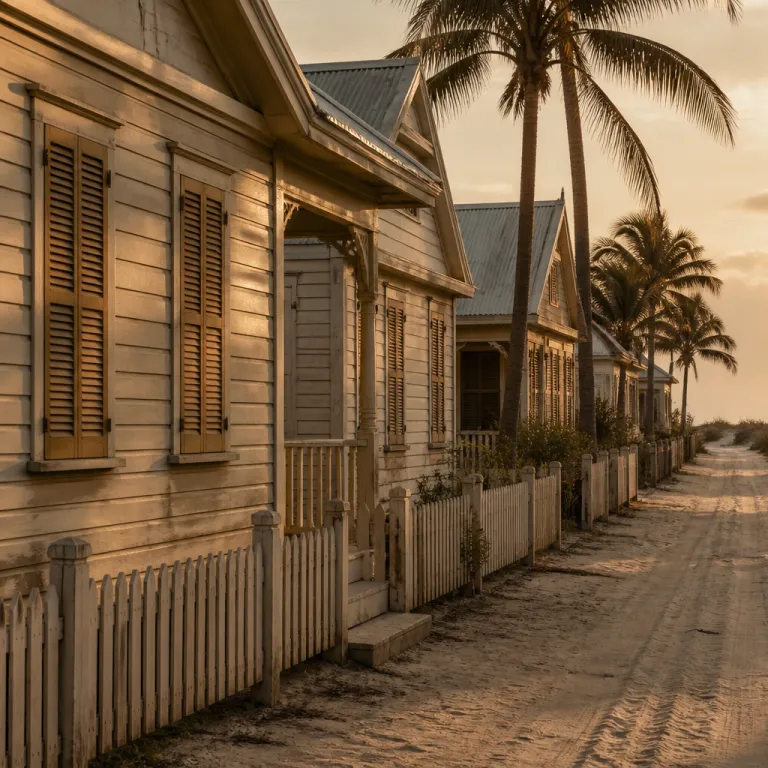
How bahamas architecture colonial loyalist shapes a luxury stay
Step onto almost any island in the Bahamas and the first thing you notice is light bouncing off painted shutters and weathered clapboard walls. This is Loyalist-era Bahamian architecture in practice: a blend of timber houses from American loyalist refugees, British colonial masonry and vernacular island design that now frames many luxury stays. For couples planning a Bahamas vacation, choosing between a restored historic cottage and a contemporary glass tower is really a choice about how deeply you want to share in the islands’ architectural story.
The Bahamian architectural narrative took shape when American loyalists fled the Revolutionary War and loyalist families settled scattered cays from Eleuthera to Abaco. Many arrived via other British territories, including Nova Scotia, bringing timber framing and steep roofs, then adapting them to the humid climate of each island with raised foundations and deep verandas. Local Bahamian settlers and British administrators layered on Georgian architectural details, and over time a distinct Bahamian colonial style emerged that still defines many homes, inns and high-end rentals across the Bahamas.
In Nassau, where the Bahamas Meteorology Department records average annual temperatures close to 25–26 °C, clapboard houses with louvered shutters line back streets behind Bay Street’s colonial façades. Here, traditional Bahamian wooden houses sit beside modernist resorts, and the contrast is immediate when you compare a pastel loyalist cottage to the glassy towers of Cable Beach. As you plan where to stay, remember that the same architectural choices that once protected island homes from sun and storms now shape everything from room layouts to how easily the sea breeze moves through shuttered windows in your suite.
Harbour Island, Dunmore Town and the loyalist cottage ideal
On Harbour Island, Loyalist-era Bahamian architecture feels almost cinematic, especially as you walk through Dunmore Town toward the harbour at golden hour. Rows of clapboard homes in sherbet tones, each with a deep porch and painted shutters, show how loyalists settled this small island with New England building techniques softened by Bahamian colour. Many of today’s most coveted rentals here are carved from a former loyalist cottage or a cluster of cottages arranged around a shared garden.
These Harbour Island properties often began as modest cottage harbour dwellings built by Bahamian settlers and American loyalists who needed practical, well-ventilated homes. Over time, owners restored them with an eye for colonial-era details, keeping original wood beams while adding plunge pools and high thread-count linens for couples on a Bahamas vacation. When you stay in one of these loyalist-era homes, the creak of the floorboards and the way the breeze lifts the shutters at night become part of the experience, not a flaw.
Walk a few streets back from the harbour and you see how this architectural style still guides new builds. Contemporary villas echo the proportions of a loyalist cottage, with steep roofs, shuttered windows and raised foundations that protect against flooding and improve ventilation. If you are choosing between a restored colonial-style house and a newer villa on Harbour Island, think about whether you want to feel the island’s history in every board, or prefer a modern interpretation that simply borrows the Bahamian architectural silhouette.
Nassau contrasts, government house and the language of façades
Nassau is where historic Bahamian architecture meets the twenty-first century head on, and the skyline tells that story in a single glance. Around the harbour, balconied buildings with arcades and pastel walls recall the period when British administrators shaped the city’s colonial streetscapes. A short walk uphill brings you to Government House, the pink neoclassical residence that anchors Bahamian political life and shows how British colonists fused Georgian symmetry with local limestone and timber; according to the Bahamas Historical Society, the current structure dates largely from the 1930s after earlier versions were damaged by hurricanes.
In the historic districts, traditional clapboard houses survive alongside masonry townhouses, many with the classic Bahamian combination of timber siding, bright shutters and stone foundations. Research compiled by the Bahamas Historical Society notes that while exact numbers fluctuate with restoration and loss, the remaining stock of nineteenth-century wooden dwellings is now considered a fragile resource rather than a commonplace sight. Restoration projects lean into the original architectural style, preserving hand-cut wood and verandas while upgrading interiors to luxury standards for discerning travellers. As one Bahamas National Trust conservation advisor explains in a heritage report, “Every time a historic house is sensitively restored, we keep a chapter of Nassau’s story alive for residents and visitors alike.” When you book a stay in one of these Nassau homes or small inns, you are choosing a Bahamian architecture experience where every corridor and courtyard quietly references the islands’ layered history.
Down the coast, large integrated resorts introduce a different narrative, with glass and steel towers that owe more to international design than to traditional Bahamian building forms. For some couples, that contrast is the point, especially if you want casino energy and multiple restaurants under one roof during a short Bahamas vacation. Others prefer a colonial-style townhouse near the harbour, where the rhythm of shutters, porches and narrow streets makes it easier to slip into the slower tempo of island life.
Out islands, green turtle and the quiet power of vernacular homes
Leave Nassau and Harbour Island behind and the architectural voice softens, but the same Loyalist-influenced design language still underpins what you see on the settled islands. On Green Turtle Cay and other Abaco cays, clapboard cottages line the waterfront, many descended from the first period when loyalists settled these remote communities in the late eighteenth century. Here, a loyalist cottage might sit beside a newer vacation home, yet both share the same narrow footprint, steep roof and deep porch that suit the climate and the culture.
In these places, rentals tend to be family-run cottages or compact homes rather than large hotels, and that scale changes how you experience the island. You might stay in a cottage harbour property where the owner’s family has lived for generations, and where Bahamian architectural details like raised foundations and louvered shutters are not design gestures but practical responses to storms. The purpose of clapboard siding is to provide durable, weather-resistant exterior walls, and when you run your hand along a sun-warmed façade you feel that function as much as the style.
Across the Bahamas, from Eleuthera’s old plantation houses to stone dwellings on smaller islands, the same principles repeat. Use of local wood for clapboard siding, application of vibrant paints on shutters and construction of raised foundations all reflect a long-standing commitment to comfort in a tropical climate. For couples choosing where to stay, that means a well-designed Bahamian cottage can feel as luxurious as a larger resort, especially when the architecture frames the sea, filters the light and opens window shutters to the trade winds at night.
Choosing your stay through the lens of bahamas architecture colonial loyalist
When you plan a Bahamas vacation with architecture in mind, you start to see each island as a different chapter in the same Loyalist-era Bahamian story. Nassau offers grand gestures like Government House and balconied streets, while Harbour Island and Dunmore Town refine the loyalist cottage ideal into something almost cinematic. Out on Green Turtle Cay and other settled islands, the language becomes quieter, but the same colonial-style DNA runs through every porch and shutter.
For couples, the practical question is how this affects your hotel or villa choice, and the answer is more nuanced than simply old versus new. A restored colonial inn in Nassau might give you high ceilings, cross-ventilation and a sense of history, while a contemporary villa on an outer island Bahamas location offers privacy and direct beach access shaped by the same Bahamian architectural logic. If you are weighing options, you can continue reading guides such as the stay-in-bahamas.com feature on outdoor spaces that inspire your stay, which shows how verandas, courtyards and pools extend the architecture into the landscape.
Preservation efforts across the Bahamas increasingly focus on restoration of historic homes and the incorporation of traditional elements in modern designs. Local craftsmen and British architects once combined European designs with local materials and techniques, and today’s designers echo that innovation with sustainable materials and careful real estate redevelopment. Why are Bahamian shutters painted in bright colours? To reflect cultural vibrancy and protect against sun damage. What is the purpose of clapboard siding? To provide durable, weather-resistant exterior walls. How do raised foundations benefit Bahamian homes? They protect against flooding and improve ventilation. As a traveller, choosing stays that respect this heritage means your romantic escape also supports the architectural story that makes the Bahamas feel like nowhere else.
FAQ
What defines traditional Bahamian architecture in luxury stays?
Traditional Bahamian architecture in luxury properties is defined by clapboard walls, brightly painted shutters and raised foundations that suit the tropical climate. Many high-end rentals and inns occupy restored colonial-style homes originally built by Bahamian settlers and loyalists. These buildings use verandas, cross-ventilation and shaded outdoor rooms to keep interiors cool without relying solely on air conditioning.
Where can I see the best examples of bahamas architecture colonial loyalist?
Harbour Island and Dunmore Town offer some of the best-preserved loyalist cottage streetscapes, with pastel houses and deep porches facing the harbour. Nassau’s historic districts also showcase colonial architecture, especially around Government House and the older residential streets behind Bay Street. For a quieter experience, Green Turtle Cay and other Out Islands reveal how the same architectural style adapts to smaller communities.
How does architecture affect my hotel choice in the Bahamas?
Architecture influences everything from room layout to how you experience light, breeze and privacy during your Bahamas vacation. A colonial-style inn in Nassau might offer high ceilings, shuttered windows and intimate verandas, while a modern villa on an outer island Bahamas location emphasizes open-plan living and seamless indoor–outdoor flow. Understanding Loyalist-era Bahamian architecture helps you choose whether you want immersive history, contemporary comfort or a blend of both.
Are historic Bahamian homes comfortable for modern luxury travel?
Many historic Bahamian homes have been carefully restored to luxury standards, with upgraded bathrooms, climate control and high-quality finishes. The original architectural features, such as raised foundations and louvered shutters, still provide natural cooling and protection from the elements. When combined with thoughtful interior design, these homes can feel as comfortable as new builds while offering a stronger sense of place.
How can I support architectural preservation when booking accommodation?
You can support preservation by choosing rentals or hotels that occupy restored historic homes and clearly communicate their conservation efforts. Look for properties that maintain original materials, respect the surrounding streetscape and work with local craftsmen on restoration. Asking hosts about the history of the building and how your stay contributes to its upkeep is another simple way to align your trip with the future of Bahamian architecture.
trustful_expert_quotes (for further reading) : Bahamas Historical Society ; Bahamas Meteorology Department ; Bahamas National Trust