Why marine protected areas matter for luxury beachfront stays
Bahamas marine protected area snorkeling is quietly reshaping where luxury travelers choose to sleep and swim. When you book a premium room on a calm cay or a refined island resort, the health of nearby marine protected areas will determine whether your children snorkel above bright coral reefs or over a tired patch of sand. For families planning a long trip, understanding how each national park is managed in the Bahamas will provide a real edge when comparing beachfront locations.
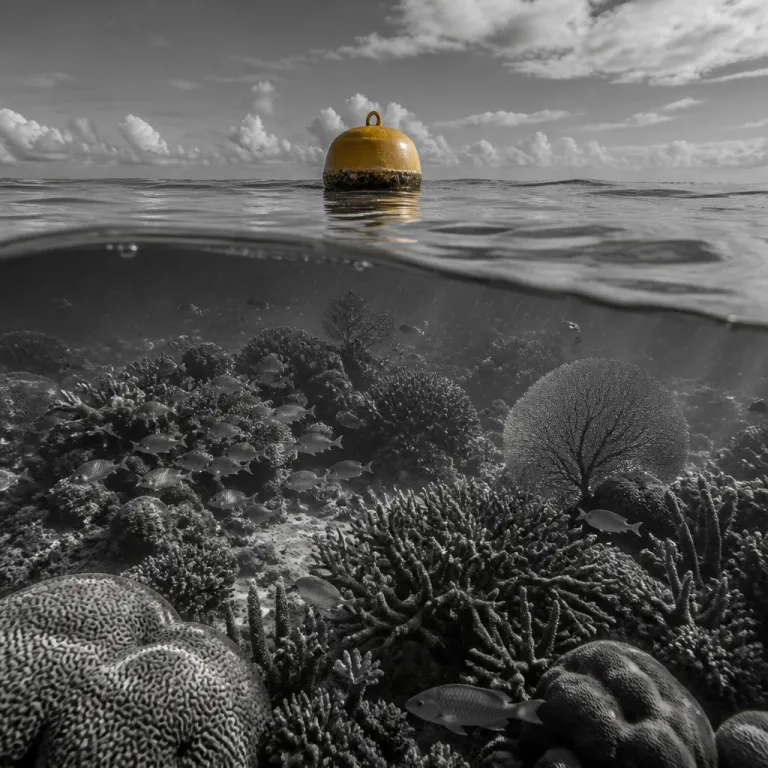
Across the archipelago, roughly fifteen percent of Bahamian waters now fall within protected areas, and that network of national parks is expanding as conservation policy catches up with the value of marine resources. The Bahamas National Trust, working with partners such as The Nature Conservancy, manages these zones as living assets where marine life, coral reefs and marine species are treated as core national wealth rather than scenery. For you as a guest, that means a stay based near a sea park often brings clearer water, more turtles and rays, and a richer snorkel experience right off the sand.
Families used to choosing hotels only by pool size or kids’ clubs now weigh proximity to a marine national park or to cays where land and sea are jointly protected. A refined villa on a quiet cay national shoreline near a no take zone will provide effortless access to thriving marine life, while a similar property far from protected areas may require long boat rides for decent snorkeling. When you browse stay in Bahamas style listings, look for language about nearby national parks, protected areas and reef conservation, because that is the new luxury amenity for serious snorkel and scuba divers.
Exuma Cays Land and Sea Park from your hotel doorstep
For Bahamas marine protected area snorkeling, Exuma Cays Land and Sea Park is the gold standard, and where you sleep shapes how easily you reach it. This pioneering land and sea park, created as the first combined cays land and sea reserve in the region, is a strict no take zone where marine life has been allowed to rebound for decades. Choose a luxury resort or private estate on Great Exuma or nearby cays and your boat ride into the park exuma boundary will be short, calm and family friendly.
Inside this national park, fishing is banned and anchoring is regulated, so coral reefs remain intact and marine species grow to impressive sizes that children remember long after the trip. The Bahamas National Trust manages Exuma Cays Land and Sea Park with clear rules; as they state in visitor guidance, guests should “check MPA regulations before snorkeling” and follow posted mooring instructions. For parents, that means you can snorkel over healthy marine resources with your kids while teaching them why no take zones protect both fish and local economies.
When booking, prioritize properties that face the Exuma cays channels rather than only the open ocean, because these sheltered areas often offer gentler water for first time snorkel outings. High end beachfront houses and premium rentals on Great Exuma now highlight their access to the sea park as prominently as their pools or chefs, and with reason. If you want a refined base where mornings start with a short boat run into the park exuma shallows, consider a curated beachfront house in the Exumas through a specialist platform that focuses on premium rentals and private estates, such as the guide to an elegant beachfront house in the Bahamas.
Andros, Abaco and the Out Islands for reef focused families
Not every family wants the bustle of Nassau, and for snorkeling in Bahamian MPAs the Out Islands often deliver a calmer, more intimate reef experience. Andros, with its vast barrier reef, and Abaco, with its chain of cays and islands, both sit near national parks where protected areas safeguard long stretches of coral and seagrass. Choosing a luxury lodge or villa on these quieter islands will provide quick access to shallow reef gardens that suit both confident snorkel explorers and younger children.
On Andros, the barrier reef ranks among the largest in the world, and sections now fall under expanding protected areas that aim to secure healthy marine conditions for future generations. Families can snorkel above drop offs where marine life gathers, while scuba divers head deeper along walls that fall sharply from the land sea edge into blue water. Abaco’s Green Turtle Cay and nearby turtle cay hide coves where green turtle encounters are common, especially near zones managed as national parks or informal sea park style refuges.
When you compare properties, look for those based near established marine reserves or within easy boat reach of cay national parks, because that proximity reduces travel time and keeps children fresh for the actual snorkel. Some high end resorts now coordinate directly with the Bahamas National Trust and local guides to time outings around tides and visibility, which can transform a simple swim into a memorable marine adventure. If you are tempted by more unusual stays, consider pairing a night in one of the carefully selected overwater style bungalows in the Bahamas with several days on an Out Island, so you balance novelty with serious reef time.
Nassau, Exuma marinas and planning water days from your hotel
Many premium family trips still start or end in Nassau, and for Bahamas marine protected area snorkeling that can work well if you plan your water days with precision. While Nassau itself is busy, nearby cays and national parks in the surrounding waters offer pockets of protected marine life that feel far from the cruise port. A well located hotel on New Providence or Paradise Island will provide access to marinas where day boats head toward sea park zones, cays land reserves and quieter reef systems.
Families who prefer to charter a boat or arrive by yacht should think of their marina choice as carefully as their room category, because it shapes how easily they reach national parks and protected areas. Some marinas sit closer to routes that lead toward Exuma cays or to lesser known island parks, reducing fuel use and travel time while supporting more sustainable patterns of marine adventure. If you are planning to sleep aboard or mix yacht nights with hotel stays, consult a specialist marina guide such as the detailed advice on where to dock and sleep well in the Bahamas, then align your bookings with the marine parks you most want to snorkel.
From a Nassau base, many families choose a rhythm of one long boat day into a national park followed by a quieter land day at the resort, which keeps children rested and reduces pressure on marine resources. When you speak with concierges, ask specifically which marine protected areas their preferred operators visit, and whether those trips include guidance on healthy marine issues such as coral bleaching or overfishing. A hotel that treats the surrounding sea park network as part of its extended property usually offers better briefings, safer snorkel practices and more meaningful encounters with marine species.
How to choose a hotel that respects land and sea
For families who care about sustainability, the real luxury in Bahamas marine protected area snorkeling lies in staying where land and sea are treated as one system. When a property supports the Bahamas National Trust or local conservation groups, it signals that the hotel understands how national parks, protected areas and nearby cays shape both guest experience and long term marine health. Ask whether the resort partners with organizations such as The Nature Conservancy, which notes in its visitor tips that travelers should “use eco-friendly sunscreen” and “avoid touching marine life.”
On property, look for small but telling details, such as refillable water stations instead of single use plastic, reef safe sunscreen in the shop and briefings that explain why some zones are no take. A serious hotel will provide clear guidance on where guests may snorkel freely, where only guided trips are allowed and which national parks or sea park areas are completely off limits to fishing. When staff talk confidently about marine life, coral reefs and marine species, and when they mention national parks by name, you know the training goes beyond marketing.
Families can also ask how the hotel manages its own impact on nearby cays land and shallow reef flats, from mooring practices to waste water treatment. Properties that use fixed moorings instead of anchors, support turtle cay monitoring or help fund green turtle research are directly investing in the marine resources that make your trip special. Over time, choosing these hotels based on their respect for both land and sea will reward operators who treat the surrounding national park network as a shared asset rather than a backdrop for quick adventure.
FAQ
Do I need a permit to snorkel in Bahamian marine protected areas ?
Do I need a permit to snorkel in Bahamian MPAs? Generally, no permit is required for casual snorkeling, but you must check specific MPA rules with the Bahamas National Trust or park wardens. Many national parks welcome day visitors with licensed guides, while some sea park zones limit access to designated moorings or require advance permission to protect fragile coral reefs and marine life.
Are there restrictions on fishing in marine protected areas ?
Are there restrictions on fishing in MPAs? Yes, many MPAs are no-take zones; fishing is prohibited. In places such as Exuma Cays Land and Sea Park, the ban on taking marine species is what keeps the water clear and the fish large for both snorkelers and scuba divers, and enforcement officers can issue fines or confiscate gear if rules are ignored.
Which Bahamian islands are best for families focused on snorkeling ?
Families who prioritize snorkeling in protected areas often choose Exuma, Andros, Abaco and certain cays near Nassau. These islands sit close to national parks and sea park zones where marine resources are actively managed, so the water is usually clearer and the marine life more abundant. When booking, look for hotels that highlight proximity to specific national parks rather than only generic reef excursions.
How can I tell if a hotel supports marine conservation ?
A hotel that supports marine conservation will usually mention partnerships with the Bahamas National Trust or other conservation organizations. You may see information about nearby national parks, guidance on reef safe sunscreen and clear rules for visiting protected areas. If staff can explain why some zones are no take and how that benefits marine life, that is a strong sign of genuine engagement.
Is snorkeling in marine protected areas suitable for young children ?
Many Bahamian marine protected areas include shallow, sheltered sites that are ideal for children learning to snorkel. Families should choose hotels close to calm cays or island coves, where boat rides are short and water conditions are predictable. Always use flotation, stay within marked zones and follow guide instructions to protect both young swimmers and delicate coral reefs.