Bahamas summer food lobster season: how luxury hotels tune into the spiny lobster rhythm
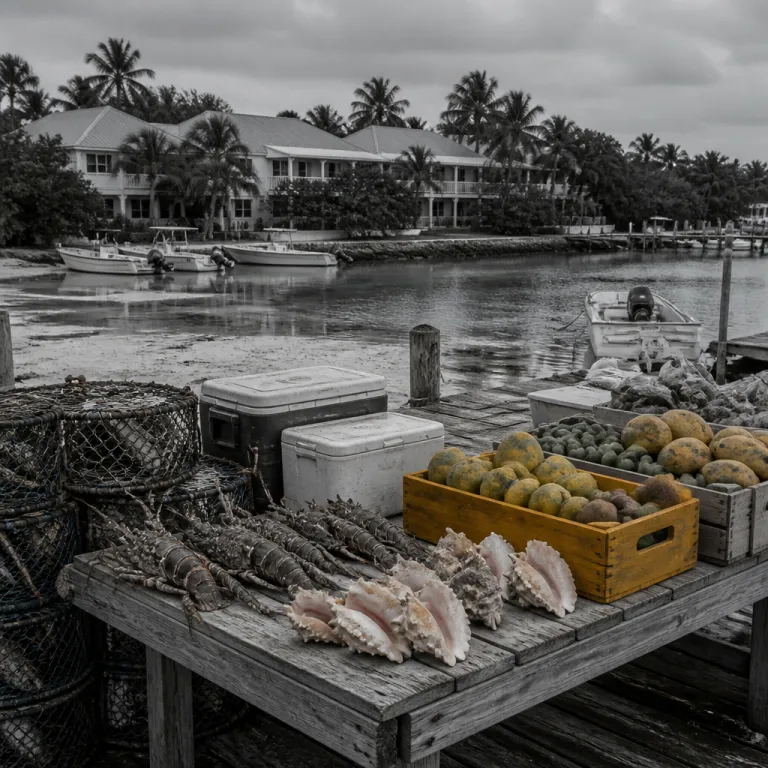
The summer lobster season in the Bahamas is not a slogan; it is the quiet calendar behind every serious luxury kitchen in Nassau and the Out Islands. When the spiny lobster fishery moves from closed season to open season on 1 July, the best hotel chefs pivot overnight, shifting menus from conch-heavy plates to grilled Bahamas lobster brushed with lime butter and local pepper. If you time your stay between July and August, you will taste spiny lobster at its sweetest, when the fishery has just reopened and the first lobsters come in from the coral reefs on small fishing vessels.
The Bahamas Department of Marine Resources treats spiny lobster as a Bahamas national asset, so every resort that cares about marine conservation pays attention to lobster minimum rules and size limits. You will hear chefs talk about tail length the way sommeliers talk about vintages, because a properly measured spiny lobster tail signals respect for official fisheries guidance and long-term marine resources. Ask your concierge which hotel restaurants work directly with local fishermen using day boats and small-scale fleets, and which rely on frozen lobsters shipped from elsewhere in the Caribbean.
Summer is also the time when queen conch enters or approaches its own closed season, so Bahamian kitchens that care about fish wildlife management quietly reduce conch salad portions and lean harder into grilled fish and lobster. That shift is not a loss; it is an invitation to explore how Bahamian chefs handle snapper, grouper and mahi mahi alongside the first lobsters of the sport season. When you book a premium family suite, ask in advance how the property handles fishing regulations during lobster season, because the most responsible hotels will explain exactly when they stop serving conch and how they support conservation.
Data from national and international observers underline why this matters, with the annual lobster catch in the Bahamas often reported at more than 5,000 metric tonnes and the number of Bahamian fishers estimated in the thousands. Those numbers are not abstract for a luxury traveler, because every grilled spiny lobster you order at a poolside cabana connects directly to that fishery and the people who work it. Choosing hotels that align with sustainable fishing practices means your summer lobster season experience supports both the marine ecosystem and the communities that depend on it.
From Arawak Cay to the Out Islands: where to eat in season with kids in tow
In Nassau, the Fish Fry at Arawak Cay is where the summer lobster season meets the democratic Bahamian table. Stalls that once led with cracked conch shift focus when conch edges toward its own season closed period, offering grilled fish, fried snapper and, once lobster season opens, generous plates of spiny lobster for families sharing long picnic tables. For parents, this is the ideal time to introduce children to Bahamian fish dishes without overwhelming spice, while still tasting the full Caribbean character of the cuisine.
Not every stall is equally family friendly, so ask your hotel concierge which vendors welcome children and serve grilled lobsters early in the evening before the music gets loud. Some stands will highlight that their lobsters come from small-scale fishing operations that respect tail length and lobster minimum regulations, a reassuring detail if you care about marine conservation. When conch is in its closed season, the most responsible cooks explain why conch salad is off the menu and steer you toward grilled Bahamas lobster or fresh fish caught by local vessel crews that morning.
Beyond Nassau, island hopping opens a different chapter of the Bahamian lobster season, especially once August arrives and the spiny lobster fishery is in full swing. At Staniel Cay Yacht Club in the Exumas, dockside tables become front-row seats as fishermen unload lobsters from skiffs, and your children can watch the catch lobster process before those tails hit the grill. For more ideas on where to plan a dinner around the arrival of the day’s fish and lobsters, read this guide to island restaurants worth the ferry ride and match your hotel bookings to the cays with the strongest marine resources culture.
Luxury resorts across the Bahamas now lean into this seasonal rhythm, curating Bahamian-themed nights where chefs explain the difference between open season and sport season for spiny lobster. You might hear staff refer to March and April or April to July as traditional fishing windows in older stories, even as current regulations fix the main season from 1 August to 31 March, because chefs want guests to understand how the Bahamas Department of Marine Resources has tightened rules to protect coral reefs and fishery health. When you see those details printed beside a grilled lobster dish, you know the property is paying attention to both flavor and conservation.
Nassau’s hotel dining scene: lobster, conch scarcity and a new generation of chefs
In Nassau’s luxury corridor, the summer lobster season now shapes hotel dining as much as room categories or pool design. At Baha Mar, for example, the appointment of a new Executive Chef in April placed more than two dozen venues under a leader with international experience and a clear respect for Bahamian ingredients. That kind of appointment matters for families choosing where to stay, because it means lobster season menus, kids’ options and conservation messaging will be coordinated across casual grills, pool bars and fine dining rooms.
As conch moves toward its own closed season in the warmer months, serious hotel kitchens pivot to spiny lobster and line-caught fish, often sourced from local fishermen who work closely with the Bahamas Department of Marine Resources. You will notice more grilled Bahamas lobster, spiny lobster pasta and lobster tacos on children’s menus, alongside milder grilled fish that lets younger palates taste the Caribbean without too much heat. When a property explains that it buys from approved suppliers and respects lobster minimum tail length and size limits, that transparency is a strong signal of trustworthiness.
Families who want a deeper connection to Bahamian food culture should step outside the resort bubble at least once, especially around lobster season. A guided evening at Arawak Cay, using a trusted driver recommended by your hotel, lets you sample fried fish, lobster and seasonal sides while still returning to the comfort of a premium suite. For a detailed street-level view of where to eat safely and well, this insider guide to eating like a local in Nassau pairs perfectly with a stay at a high-end property that understands Bahamian foodways.
Summer also brings peak activity at Nassau’s farmers markets, where farmers market vendors sell guava, mango, soursop and sapodilla that end up on hotel breakfast buffets and dessert menus. Visit early in the day, as local advice suggests, because the best produce and any market-fresh lobsters or fish go quickly once local fishermen arrive from nearby coral reefs. When your hotel partners with these markets and highlights seasonal fruit on children’s menus, your Bahamas lobster season experience becomes a gentle lesson in how agriculture and fishery cycles shape daily life.
Planning a luxury family stay around the sea’s calendar: safety, sustainability and timing
For families booking a premium stay, the smartest way to approach the Bahamas lobster season is to think like a local, not like a cruise schedule. The Bahamas Department of Marine Resources has been clear about the broader context, noting that seasonal changes affect seafood availability and that local agriculture peaks at the same time. When you align your travel dates with that rhythm, you give your children a front-row seat to how marine conservation, fisheries policy and farming all intersect on one island chain.
Many luxury resorts now offer gentle introductions to the marine world, from glass-bottom boat trips over coral reefs to supervised snorkeling that does not require scuba gear. These experiences are not about catching lobsters; they are about understanding why the fishery has open season and season closed periods, and how fish wildlife regulations protect spiny lobster populations for future generations. When guides explain that the main commercial season currently runs from 1 August to 31 March, they are teaching your family how Bahamian communities adapted as Fisheries Bahamas refined rules to protect marine resources.
If you are tempted by a sport season–style excursion to catch lobster, choose operators who work with small vessel fleets and respect lobster minimum standards, including tail length and size limits. Responsible captains will explain that you cannot take lobsters during closed season, and that using scuba gear to harvest spiny lobster is restricted or discouraged to protect both divers and the fishery. Ask your hotel concierge to recommend only those partners who brief guests on conservation and who coordinate with Bahamas Department of Marine Resources guidelines.
Timing also matters for weather and sea conditions, especially if you are pairing a resort stay with a private charter through the Exumas or Abacos. Before hurricane season peaks, many families plan itineraries that combine a few nights in Nassau with a crewed yacht, using resources like this sailing primer on chartering the Exumas before hurricane season to understand when the sea is calmest for children. Align that route with the heart of lobster season, and your days will move from snorkeling over coral reefs in the morning to eating grilled Bahamas lobster on deck at sunset, always within the boundaries set by conservation-minded fisheries.
FAQ
When does lobster season start in the Bahamas and how does it affect hotel dining
According to current regulatory guidance from the Bahamas government, the main commercial lobster season in the Bahamas typically runs from 1 August to 31 March, and luxury hotels adjust menus almost immediately to feature fresh spiny lobster. You will see more grilled lobster, lobster pasta and family-friendly dishes that highlight Bahamas lobster while respecting tail length and size limits. This timing also coincides with peak farmers market activity, so seasonal fruit and vegetables appear alongside the new lobster dishes.
Why is conch harder to find in the Bahamas during summer
Conch has its own closed season, generally falling in the warmer months as a conservation measure to protect stocks from overfishing and habitat loss. During this period, responsible hotels and restaurants reduce or remove conch salad and cracked conch from menus, explaining the change to guests. They usually pivot toward spiny lobster and line-caught fish, ensuring that the summer seafood season still feels abundant while supporting marine conservation.
What can families expect at Bahamian farmers markets in summer
Summer farmers markets in Nassau and other islands are at their most vibrant, with farmers market vendors offering guava, mango, soursop, sapodilla and other seasonal produce. You may also find stalls selling fresh fish and, when regulations allow, lobsters brought in by local fishermen who work near coral reefs. Visiting early in the day gives families the best selection and a chance to see how local agriculture and fishing support hotel kitchens.
Is it possible to catch lobster on a family trip while staying within regulations
Yes, but only when lobster season is open and always under strict rules set by the Bahamas Department of Marine Resources. Families should book with licensed operators who respect lobster minimum standards, including tail length and size limits, and who avoid using scuba gear for harvesting. Your hotel concierge can help you choose a vessel and captain who follow Fisheries Bahamas guidelines and explain conservation to children in clear, engaging language.
How can I tell if my hotel supports sustainable fisheries in the Bahamas
Look for menus that reference open season and closed season for key species, and that mention working with local fishermen or approved suppliers under Bahamas Department of Marine Resources oversight. Properties that highlight tail length checks, size limits and seasonal shifts away from conch during its closed season are usually taking marine conservation seriously. You can also ask staff directly how they source Bahamas lobster and fish, and whether they coordinate with the Bahamas Department of Marine Resources on best practices.