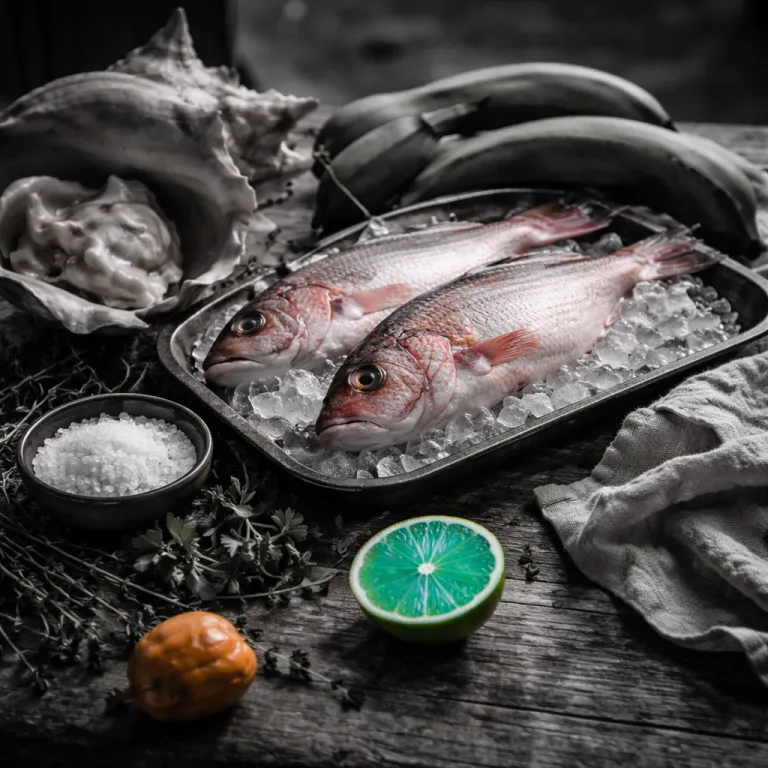
A Nassau food guide for couples who want the real island table
Nassau rewards couples who step beyond the resort gates and follow the scent of frying conch toward the working waterfront. This Nassau food guide focuses on where Bahamian couples actually eat on the island of New Providence, not where the cruise brochures send you for a quick photo and a watered drink. For travelers using a luxury hotel booking website for the Bahamas, the most memorable nights often come from a plastic plate at a wooden table rather than a white tablecloth facing a manicured pool.
The capital of the Bahamas, Nassau, sits on the western edge of an island that has fed sailors, traders and families with the same core dishes for generations. You will hear hotel concierges talk about the best restaurants inside large resorts, yet the most characterful island food waits at Arawak Cay, Potter’s Cay Dock and the downtown lunch counters where office workers queue before the stew fish sells out for the day. Think of this Nassau Bahamas shoreline as a long, open air dining room where every stall, shack and counter has its own view, its own rhythm and its own fiercely guarded conch salad recipe.
Luxury travelers often split their stay between Paradise Island, Baha Mar on Cable Beach and smaller hideaways scattered across island Nassau, but the most rewarding food adventure lies in stitching these enclaves to the city’s everyday eating rituals. A short taxi ride from any high end beach club brings you to a different Bahamas Nassau, one where a chicken bag of fried wings and fries is as beloved as any tasting menu. This Nassau Bahamian way of eating is casual yet precise, with peas and rice, johnny cake and cracked conch forming a kind of edible guided tour through Caribbean history on a single plate.
Fish Fry at Arawak Cay: the beating heart of Nassau’s food scene
Arawak Cay, known locally as Fish Fry, is where this Nassau food guide truly begins for couples who want to eat Nassau like residents. Built on reclaimed land off West Bay Street, this western edge cluster of roughly forty stalls and small restaurants has evolved from a simple fry up strip into a dense concentration of Bahamian food culture. Official descriptions put it plainly : “Arawak Cay, also called 'Fish Fry', is known for its authentic Bahamian seafood.”
Arrive in the late afternoon and you will see families, off duty hotel staff and cruise workers drifting in from the port, all looking for that perfect plate of cracked conch or fried snapper. Visit on Sunday nights for a lively atmosphere, when music spills from doorways and the smell of grilled lobster hangs over the island Nassau breeze. This is also the best time to order a conch salad and watch the vendor cube the shellfish, squeeze fresh citrus and toss in peppers while you stand close enough to feel the spray from the ice bucket.
For couples staying at Baha Mar or on Paradise Island, a taxi to Fish Fry takes less than twenty minutes and opens a very different side of Nassau Bahamas than the polished resort promenades. Ask your driver which stall they prefer for peas and rice or for a plate of island food that mixes fried plantain, coleslaw and grilled fish, then follow that advice without hesitation. Many travelers arrive with a list of best restaurants from hotel concierges, yet the most memorable dishes here are often the simplest : a paper tray of cracked conch, a slice of johnny cake and a cold drink shared at a plastic table under the Caribbean sky.
To deepen your understanding of how these humble plates connect to the city’s rising fine dining scene, read the in depth feature on how a new generation of chefs is rewriting Bahamian cuisine. You will see how Fish Fry stalwarts and hotel dining rooms now influence each other, creating new dishes that still respect the Nassau Bahamian pantry. For couples planning several nights in the capital, alternating between Fish Fry evenings and one or two refined dining rooms gives a balanced, honest portrait of food in island Bahamas.
Potter’s Cay Dock and downtown lunch counters: where Nassau eats by day
If Arawak Cay is the evening stage, Potter’s Cay Dock is the day shift in this Nassau food guide, a working waterfront wedged under the bridge to Paradise Island. Here, small stalls line the pier beside fishing boats, and the energy feels more port market than curated promenade, with vendors calling out daily specials as crates of conch and snapper move from deck to counter. Tourists and locals stand shoulder to shoulder, waiting for conch salad chopped to order or a quick chicken bag to take back to the office.
Walk the length of the dock slowly and you will notice subtle differences between stalls, from the amount of pepper in the conch salad to whether the peas and rice lean smoky or herbal. Many couples staying in Nassau Bahamas combine a morning guided tour of historic sites such as Fort Charlotte or Fort Fincastle with a stop here for lunch, turning a cultural excursion into a full sensory adventure. The view back toward downtown, with cruise ships at the harbor and the low skyline of island Nassau behind them, reminds you how closely food, trade and travel have always intertwined in the Bahamas.
Downtown, the rhythm shifts again as small canteens and counters open early to serve stew fish and grits or boiled fish before the workday begins. Arrive after mid morning and the best dishes may already be gone, which is why office workers and taxi drivers line up well before the official lunch hour. For couples staying at a luxury property on Paradise Island or at Baha Mar, asking staff where they go for stew fish on their day off often leads to these unassuming rooms, where the only decoration might be a faded photo of Key West or Miami but the island food on the plate is pure Nassau Bahamian comfort.
Essential Bahamian dishes: from conch salad to guava duff
Any serious Nassau food guide must linger on the core dishes that define everyday eating in the capital and across the wider Bahamas. Conch, the firm white meat from the large marine snail, appears everywhere, yet the two essential preparations for visitors are conch salad and cracked conch, each revealing a different side of island food culture. Watching a conch salad prepared at Arawak Cay or Potter’s Cay Dock is almost a guided tour in miniature, as the vendor cleans the shellfish, dices tomato and onion, then bathes everything in lime and orange juice until the mixture turns opaque and fragrant.
Cracked conch, by contrast, is about texture and heat, with the meat pounded thin, dipped in batter and fried until the edges frill and crisp. Paired with peas and rice, coleslaw and a slice of johnny cake, it becomes a complete Bahamian meal that balances richness with acidity and spice in a way that feels perfectly tuned to the Caribbean climate. Couples who usually dine in formal hotel restaurants often find that their most vivid memory of Nassau Bahamas is this simple plate eaten at a wooden table, with the sound of waves and passing traffic mixing into a kind of urban island lullaby.
Breakfast brings its own specialties, from stew fish and grits to boiled fish scented with lime and pepper, dishes that speak to the city’s seafaring past and its present as a busy cruise and air hub. Sweet lovers should seek out guava duff, a steamed roll of dough and fruit served with warm rum sauce, which appears both in humble diners and in the dessert lists of the best restaurants attached to luxury hotels. Whether you are staying on Paradise Island, near Baha Mar or in a quieter corner of island Nassau, building your days around these dishes turns each meal into a small adventure and anchors your trip firmly in Nassau Bahamian tradition.
Practical tips for eating like a local from luxury bases
Couples booking premium stays in Nassau Bahamas often worry about logistics when leaving the resort bubble to eat Nassau like residents. The reality is straightforward : taxis are plentiful from Paradise Island, Baha Mar and most western New Providence hotels, and drivers are used to shuttling guests to Arawak Cay, Potter’s Cay Dock and downtown lunch spots. Agree the fare before you set off, keep small Bahamian dollar bills for tips and remember that cash remains king at many smaller stalls, even as card machines slowly spread across island Nassau.
Food safety is another common concern, especially around raw conch salad and seafood eaten at open air counters beside the port. Choose busy stalls with a steady flow of locals, check that seafood sits on ample ice and watch how vendors handle knives and cutting boards, simple habits that align with any careful traveler’s instincts in the wider Caribbean. If you are cautious, start with cooked dishes such as cracked conch, fried snapper or a chicken bag of wings and fries, then move to raw preparations once you feel comfortable with a particular vendor’s routine.
For couples balancing spa days and beach club afternoons with more grounded food experiences, it helps to think of these local meals as part of a broader wellness approach to the Bahamas. A morning of treatments at a refined resort spa, such as those profiled in this feature on what the Bahamas spa scene gets right, pairs beautifully with an evening at Fish Fry or a sunset walk to a small club paradise style bar overlooking the harbor. Over several nights, this rhythm lets you enjoy the polished comforts of Nassau Paradise Island while still tasting the everyday life of island Bahamas, from peas and rice at a dockside stall to johnny cake bought warm from a bakery window.
Connecting Nassau’s food culture to wider Caribbean journeys
Nassau rarely exists in isolation on a traveler’s map, especially for couples combining the Bahamas with a wider Caribbean or North American itinerary. Many itineraries link Miami, Key West and Nassau by air or cruise, creating a triangle where each port offers its own version of conch fritters, grilled fish and rum drinks, yet only Nassau Bahamian stalls at Arawak Cay and Potter’s Cay Dock still feel primarily built for residents rather than passing ships. Treat this Nassau food guide as a reminder that even on a short cruise stop, you can step away from the pier and eat Nassau in a way that respects local rhythms.
Those staying several nights on Paradise Island or at Baha Mar often add day trips to quieter corners of island Bahamas, where small beach club operations serve grilled fish, peas and rice and simple salads beside near empty stretches of sand. A private guided tour that combines a historic fort, a local market and a late lunch at Fish Fry turns what could be a generic sightseeing loop into a layered understanding of how food, history and hospitality intersect in Nassau Bahamas. From the vantage point of a hilltop fort, looking down at the port and the low sprawl of island Nassau, it becomes clear how central these working shorelines are to the city’s identity.
For couples using a curated luxury hotel booking website to plan their stay, the key is to choose properties that make it easy to move between polished resort spaces and the textured streets where Bahamian food culture lives. Ask whether the concierge can arrange transfers not only to headline attractions but also to Arawak Cay on Sunday nights or to Potter’s Cay for a late morning conch salad, and whether staff are willing to share their own favorite places to eat Nassau style. When a hotel team speaks with affection about a tiny stall under the bridge or a no sign lunch counter near the courthouse, you know you have found a base that understands the real Nassau Paradise beyond its own gates.
FAQ
What is Arawak Cay best known for in Nassau ?
Arawak Cay is best known in Nassau for its concentration of casual seafood spots serving classic Bahamian dishes such as conch salad, cracked conch and fried snapper. Locals refer to it simply as Fish Fry, and it functions as both a dining destination and a social hub for residents and visitors. The area offers one of the most reliable places to experience authentic island food within a short taxi ride of major hotels.
When is the best time to visit Fish Fry at Arawak Cay ?
The liveliest time to visit Fish Fry at Arawak Cay is on Sunday nights, when music, families and groups of friends fill the strip. Couples who prefer a quieter experience may enjoy late afternoon on weekdays, when stalls are open but crowds are thinner and service feels more relaxed. Lunchtime also works well if you want to combine a beach morning with a substantial Bahamian meal before returning to your hotel.
What should cautious travelers know about eating conch salad ?
Cautious travelers should choose busy stalls with high turnover and visible ice when ordering raw conch salad. Watching the vendor prepare the dish to order lets you assess cleanliness and ask for adjustments such as less pepper or more citrus. If you remain unsure, start with cooked conch dishes and move to salad once you feel comfortable with a particular stall’s standards.
How far are Arawak Cay and Potter’s Cay Dock from major Nassau resorts ?
Arawak Cay sits along West Bay Street, roughly a 10 to 20 minute taxi ride from most Paradise Island and Cable Beach resorts, depending on traffic. Potter’s Cay Dock lies directly under the bridge connecting Nassau to Paradise Island, making it especially convenient for guests staying at large properties on that side. Taxi drivers are familiar with both locations and can suggest specific stalls if you ask for local favorites.
Can I pay by card at Nassau’s local food stalls ?
Some larger restaurants within the Fish Fry area and near the port accept cards, but many smaller stalls at Arawak Cay and Potter’s Cay Dock remain cash only. It is wise to carry enough Bahamian dollars or U.S. dollars in small denominations to cover meals, drinks and tips. Hotels can usually provide change before you head out, which simplifies paying at busy counters.