Why bahamas music culture islands matter when you choose a hotel
Music in the Bahamas is not background noise; it is the architecture of the evening. On these Caribbean islands, the way a goatskin drum echoes across a harbour or how a rake-and-scrape rhythm drifts through a courtyard can shape your stay more than thread count or pool design. For couples planning a premium escape, understanding how traditional Bahamian music and local island customs vary from island to island helps you choose a neighbourhood and a hotel that match how you want your nights to sound.
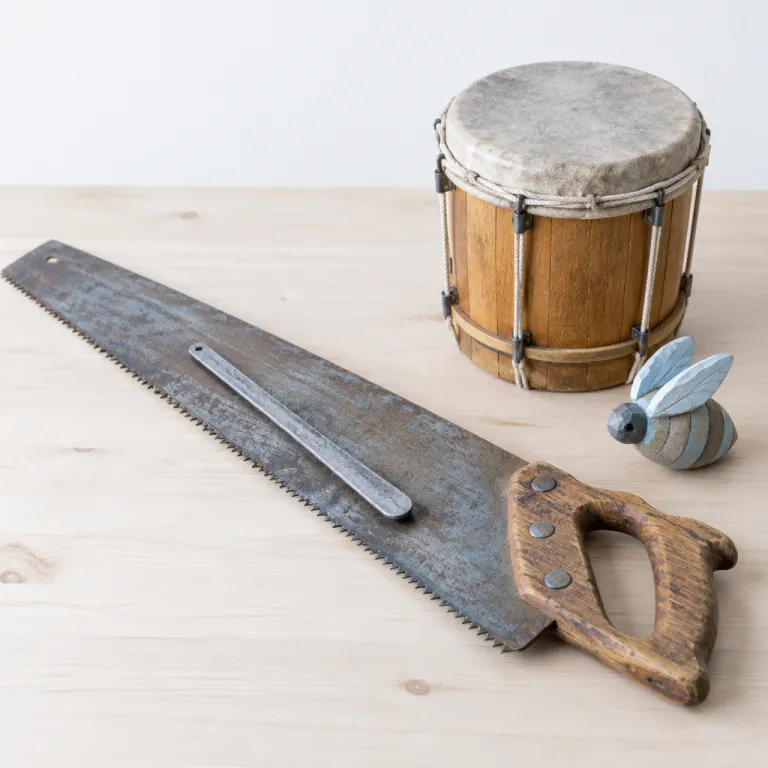
Luxury properties in the Bahamas increasingly curate live performances that reflect authentic island music rather than generic Caribbean covers. Some Nassau resorts programme weekly rake-and-scrape nights with real scraping small saw blades and bending scraping metal, while Out Island lodges might favour acoustic island songs performed under the stars. When you compare hotels, ask not only about spa menus but also about their approach to dance music, from intimate goombay drum trios to full Junkanoo celebration ensembles that bring the street parade energy onto the terrace.
Across the archipelago of more than 700 islands, each island has its own relationship with music and with Bahamian history. Nassau leans into brass-heavy Junkanoo and polished goombay bands, while Cat Island protects the most traditional rake-and-scrape sessions with hand-played goatskin drum and accordion. Exuma, meanwhile, mixes regatta season celebration with conch shacks, local dance floors and visiting bands that blend European harmonic ideas with Bahamian rhythms, creating a soundscape that feels both rooted and cosmopolitan.
Nassau nights: fish fry, junkanoo practice and luxury stays
Nassau is where Bahamian music first hits you at street level. On weekend nights at Arawak Cay Fish Fry, the air smells of grilled conch and fried snapper while scrape music rattles from open-sided bars and local singers test new song arrangements between plates of lobster. Couples staying at luxury hotels on Cable Beach or downtown can reach this scene in minutes, turning a polished resort stay into a Junkanoo-flavoured celebration of sound and flavour.
At Fish Fry, listen for the metallic whisper of rake-and-scrape, created when musicians drag a metal tool along a saw in a pattern of scraping small strokes. This Bahamas rake sound locks with the goatskin drum and bass to create dance music that pulls you from your table to the sand, even if you only meant to stop for a quick conch salad. Ask your concierge which local bands are playing, because some nights lean more toward traditional Bahamian songs while others tilt to Caribbean pop covers.
In quieter backstreets, Nassau’s Junkanoo groups rehearse for the big Boxing Day and New Year’s Day parades, and visitors who time it right can watch these sessions from the edge of the shack yards. Here you feel the deep African and European threads of Bahamian music history as brass, cowbells and drum lines work through arrangements that will later shake Bay Street. Local guides often describe it as “hearing the year day by day in rhythm,” because each rehearsal marks the countdown to the next parade. To understand how this living heritage shapes every island, read the in-depth guide on Junkanoo as living heritage on every island before you choose whether a central Nassau hotel or a quieter island stay suits your ears.
Cat Island and Exuma: where rake and scrape leads your itinerary
Cat Island is the spiritual home of rake-and-scrape, and staying here means building your evenings around the music rather than the other way round. Small inns and premium beachfront properties often coordinate with local rake scrape musicians, so guests can hear the full ensemble of accordion, saw and goatskin drum without leaving the property. When a band locks into a groove, the scrape music becomes a heartbeat for the island, and couples find themselves learning the basic dance steps almost by instinct.
Traditional rake-and-scrape here is not a staged show but a community activity, with local families, visiting couples and musicians sharing the same sandy dance floor. You will see the bending scraping of the saw blade catching the light, the Bahamian drummer tightening his goatskin drum by the fire and the accordion player leading a call-and-response song that might reference yesterday’s weather or a neighbour’s birthday. This is Bahamian music as living commentary, closer to rhyming spirituals or work songs than to polished Caribbean resort playlists.
Farther south, Exuma turns island music into a regatta-long celebration, especially around George Town when sloops crowd the harbour. During regatta week, dance music spills from beach bars, conch stands and temporary stages, and couples can move from a quiet island song at sunset to a full-band Junkanoo celebration after dark. When you book a luxury villa or harbourfront hotel here, ask how close you are to the main festival fringe area, because some travellers want to be in the middle of the drum lines while others prefer to retreat to a quieter cove after the last song.
Goombay evenings and Miss Emily’s Blue Bee Bar on Green Turtle Cay
On Green Turtle Cay in the Abacos, Bahamian music culture takes on a softer, more intimate tone. Here the sound is often a single guitar, a low goombay drum and a voice carrying an old island song across the harbour. Couples who choose the right inn or premium guesthouse can walk from their room to the dock in minutes, then sit with a Goombay Smash in hand while the night’s first song begins.
Miss Emily’s Blue Bee Bar is the legendary heart of this scene, a small room whose walls tell decades of island music stories. The bar is widely credited with creating the original Goombay Smash cocktail, but its real luxury is time, as you linger over a second drink and listen to a local musician slide from a traditional goombay rhythm into something closer to Caribbean folk rock. This is where Bahamian music feels personal, with the musician close enough that you can see each finger mark on the guitar neck and hear every breath between verses.
Goombay itself grew from early Bahamian traditions that used goatskin drum patterns and call-and-response vocals, then absorbed European harmonic ideas and American jazz phrasing. In a quiet corner of Miss Emily’s, you might hear a modern take on those roots, a kind of acoustic dance music that invites a slow sway rather than a full Junkanoo celebration. For couples who prefer conversation-friendly evenings to stadium-volume shows, choosing an island and hotel near this kind of venue can be the most important decision of the trip.
Listening like an insider: how to plan a music led luxury stay
Planning a high-end trip around Bahamian music culture means asking different questions when you book. Instead of only checking for infinity pools and spa menus, ask whether the property hosts live Bahamian music, supports local bands or can arrange private performances on the beach. Some Nassau and Out Island hotels now work directly with rake-and-scrape musicians and goombay groups, turning a standard stay into a curated cultural adventure.
For couples who care about heritage, look for hotels that reference figures such as Clement Bethel, whose research on music in the Bahamas appears in a University of Toronto master thesis, or that programme tributes to guitarist Joseph Spence and his intricate, gospel-infused rhyming spirituals. A few cultural festivals even link with international events like the Edinburgh Festival and its Festival Fringe, showing how Bahamian traditions travel far beyond the islands while staying rooted in local dance and drum patterns. When you read property descriptions, pay attention to whether they mention Junkanoo celebration nights, goombay drum workshops or guided visits to community events rather than only resort-based shows.
Responsible luxury also means understanding how music connects to the wider environment, from the conch shacks where bands often play to the marine parks that protect the waters surrounding each island. If you are planning snorkelling or sailing days alongside evening concerts, the guide to marine protected areas and what they mean for snorkelers in the Bahamas helps you align your itinerary with conservation-minded choices. As one cultural guide explains, “What is Rake-and-Scrape music? Traditional Bahamian music using saws, drums, and accordions.”, and when hotels respect that definition by hiring real practitioners rather than generic cover bands, your stay supports the communities that keep these sounds alive year after year.
FAQ
What is rake and scrape in the Bahamas ?
Rake-and-scrape is a traditional Bahamian music style that uses a carpenter’s saw scraped with a metal tool, a goatskin drum and often an accordion to create a driving dance rhythm. The sound is central to Bahamian music culture, especially on Cat Island where community dances still form around these bands. Visitors can hear both intimate sessions in small bars and larger performances at festivals and hotel-hosted events.
Where can I hear authentic junkanoo outside the main parades ?
In Nassau, Junkanoo groups rehearse in dedicated yards throughout the year, and respectful visitors can sometimes watch these practice sessions from the sidelines. Some luxury hotels arrange guided visits or bring smaller Junkanoo celebration groups onto the property for more intimate performances. On other islands, community festivals and regattas often feature scaled-down Junkanoo bands that still carry the full energy of the tradition.
What makes goombay different from other Caribbean music styles ?
Goombay combines goatskin drum rhythms, call-and-response vocals and melodic lines that reflect both African and European influences, giving it a distinct Bahamian character. Unlike some Caribbean genres that rely heavily on electronic backing, traditional goombay often remains acoustic and closely tied to local storytelling. Places like Miss Emily’s Blue Bee Bar on Green Turtle Cay showcase this style in intimate settings where listeners can appreciate every nuance.
How can I choose a hotel that supports local musicians ?
When researching luxury and premium hotels in the Bahamas, look for properties that mention live Bahamian music, partnerships with local bands or participation in cultural festivals. Directly ask whether they host rake-and-scrape nights, goombay performances or Junkanoo workshops rather than only offering generic international playlists. Hotels that can name specific local groups or venues they work with usually provide more authentic and responsible cultural experiences.
Is it appropriate for visitors to join in the dancing at local music events ?
Guests are generally welcome to join the dance floor at rake-and-scrape sessions, goombay nights and community Junkanoo events, as long as they are respectful and follow local cues. Starting with simple steps at the edge of the crowd and watching how Bahamian dancers move is a good approach. Many musicians and hosts are happy to show basic steps, turning the evening into a shared celebration rather than a performance watched from a distance.