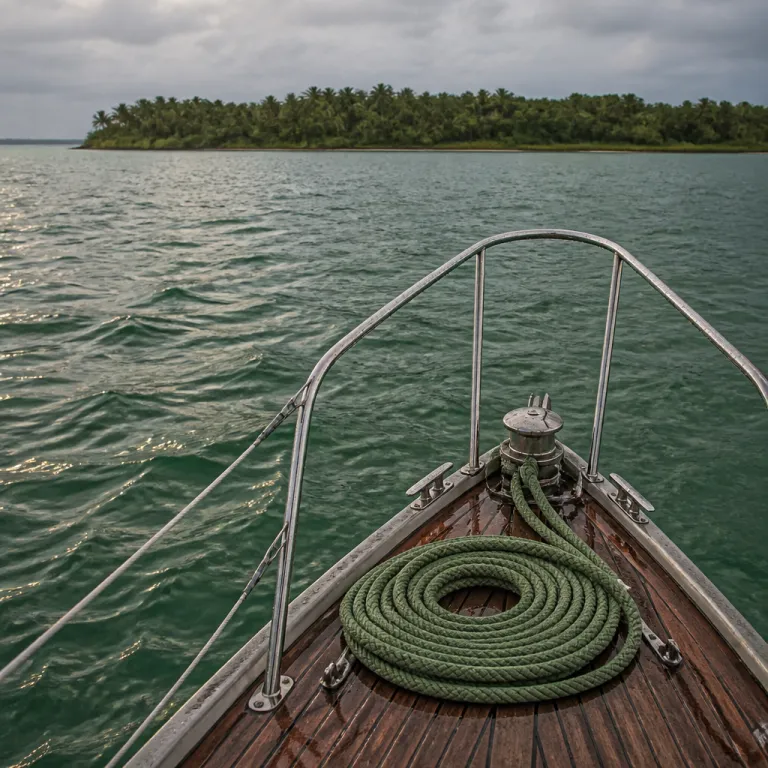
Sailing to Bimini: how the closest Bahamas island feels from the helm
Sailing to Bimini: how the closest Bahamas island feels from the helm
Bimini sits just 48 nautical miles across the Gulf Stream from Miami, and that short Bahamas distance shapes everything about the way luxury travelers arrive. The classic Florida–Bimini crossing has become a rite of passage for couples who want a first international passage that still feels manageable, yet the fast, northbound current keeps the trip honest. You feel the shift the moment your vessel leaves the shallow green of Biscayne Bay and noses toward the deep blue where the stream runs hard beneath you.
For many, the starting point is a private boat in North Miami or Fort Lauderdale, with the skyline falling away as the bow turns east toward the island chain. Powerboats typically cross gulf waters in around two to three hours, while a well trimmed sailboat may take six to ten hours depending on weather, knots of speed, and how directly you hold your line across the current. This is where sailing to Bimini from Florida becomes less about distance and more about timing, because the right weather window can turn a demanding crossing into a smooth prelude to a refined resort stay.
The Gulf Stream itself is the main character on this trip from Florida, a river of warm water running north between the peninsula and the Bahamas. Its current can reach at least 2.5 knots according to NOAA observations, so every captain planning a crossing Bimini route must account for how that strong flow will set the boat north of the rhumb line. Luxury travelers often charter with professional sailors who know how to angle slightly south of the direct course from Miami, letting the current carry the vessel gently toward the low outline of Bimini Bahamas on the horizon.
Planning the crossing: weather, safety and the right kind of luxury
Thoughtful planning is the real upgrade when you approach the Florida–Bimini route as a premium experience rather than a simple hop. The best captains watch the weather for days, waiting for a calm weather window with light southerly or southeasterly winds that align with the Gulf Stream instead of fighting it. Any substantial wind from a northerly quadrant stacks waves against the current, and that combination can turn the crossing into a punishing ride that no level of onboard luxury can soften.
Before leaving Florida, your crew will walk you through safety equipment checks, because refined travel on the water starts with quiet confidence in the gear. Expect a full inventory of life jackets, offshore flares, VHF radios, EPIRBs, and redundant GPS systems alongside traditional navigational charts that still matter when electronics fail. Many high end charter operators now pair this with concierge style briefings on customs immigration procedures in the Bahamas, so you understand how clearing customs in Bimini fits into the rhythm of your first day.
For couples used to flying into Nassau and settling into elegant rentals in Nassau Bahamas, this sea route offers a different kind of comfort, one built on preparation rather than pillow menus. You will likely depart from a marina in Miami or Fort Lauderdale just after dawn, when the bay is still and the gulf has not yet heated into afternoon squalls. As the vessel reaches deeper water and the current flows more strongly, the captain may adjust course several times, explaining how each degree of heading helps cross gulf waters efficiently while still aiming for a daylight arrival Bimini on the North Island.
From skyline to stream: what the actual crossing feels like
The first hour of sailing to Bimini from Florida is a study in contrasts, with the glass towers of Miami shrinking behind you while the depth sounder suddenly drops away over the Gulf Stream trench. On a clear day, the water shifts from turquoise to a saturated cobalt, and the boat begins to ride a longer, more deliberate swell as the swift current moves beneath the hull. Couples often find this section unexpectedly meditative, a quiet stretch where the only tasks are watching the weather, checking knots of speed, and feeling the vessel settle into its ocean rhythm.
Experienced sailors treat this as the core of the crossing Bimini experience, because it is where navigation, comfort, and safety intersect. The captain will monitor the GPS track constantly, noting how far the current flows north of the intended line and adjusting the heading to keep the Bahamas distance realistic for a same day arrival. This is also the moment when the gulf reminds you that even a short trip from Florida is still an open ocean passage, and that good gear, rested crew, and a conservative plan are the real luxuries.
For non sailors who still want the feel of the route without managing a boat, the fast ferry from Fort Lauderdale offers a streamlined alternative that traces a similar path across the Gulf Stream. Operators such as Balearia Caribbean typically complete the run in about two hours, with economy fares often starting around the low hundreds of dollars depending on season. You board in Florida with passport in hand, then step off in Bimini Bahamas a few hours later, ready to clear customs without ever having to trim a sail or calculate knots of current. Those who fall in love with this first taste of marine travel often use it as a stepping stone to deeper Bahamian adventures, from liveaboard dive trips to freediving expeditions that explore iconic blue holes across the islands, as outlined in this freediving guide to the Bahamas.
Arrival in North Bimini: resort marinas, customs and the first island evening
The low line of Bimini appears almost suddenly after hours of open water, and that first glimpse is when the Florida–Bimini crossing becomes real. As you close the Bahamas distance, the water lightens again to impossible shades of blue, and the boat threads between shoals toward the entrance channel on the North Island. Most visiting vessels aim for a resort marina in North Bimini, such as the large complex at Resorts World Bimini or smaller facilities near Alice Town, where dockhands catch lines, shore power hums to life, and the transition from passage mode to island time begins.
Bahamas Customs officials meet arriving boats at designated docks, and this is where the formalities of customs immigration shape your first hour ashore. The process is straightforward when your crew has prepared documents in advance, and many captains handle clearing customs on behalf of guests so you can stay aboard in the shade. Official guidance from the Government of The Bahamas is clear on key points such as distance and timing, and one of the most common questions is answered simply : "What is the shortest distance from Florida to Bimini?" and "How long does it take to sail from Florida to Bimini?" and "Do I need a passport to sail to Bimini?".
Once you clear customs and immigration, the character of North Bimini reveals itself quickly, especially around Alice Town. This stretch feels more like a traditional fishing village than a polished resort, with small bars, conch stands, and local shops lining the road that parallels the bay. Luxury travelers often split their stay between a resort marina with full service amenities and time spent wandering Alice Town, where the legacy of big game fishing, Hemingway era stories, and the sight of a simple fishing rod propped against a seawall remind you why this island became famous long before large scale development arrived.
Choosing where to stay: from resort marinas to private island calm
Once the formalities of arrival Bimini are complete, the focus shifts quickly to where you will sleep, swim, and linger over rum cocktails. For couples arriving by private vessel, a resort marina on North Bimini offers the most seamless option, blending secure dockage with hotel style comforts such as pools, restaurants, and concierge teams who understand both fishing charters and spa reservations. Typical transient berthing fees for larger yachts can run from a few dollars per foot per night plus power, a modest premium many guests accept for the convenience of stepping directly from slip to suite.
Some travelers prefer to treat Bimini as a first stepping stone before continuing deeper into the Bahamas, using the island as a starting point for routes that lead toward the Berry Islands, Nassau, and the Exumas. In that case, a night or two at a well run resort marina becomes a strategic pause, giving you time to rest, refuel, and reassess the weather window for the next cross gulf leg. Others choose to linger, booking multi night stays in refined villas or apartments while the boat remains safely moored, turning the vessel into a day boat for fishing or sandbar excursions rather than a constant home.
If your journey continues beyond Bimini, consider pairing this first island with a stay in more urban elegance, such as the elegant rentals in Nassau Bahamas for a refined island vacation. That combination lets you experience both the raw marine energy of the Gulf Stream crossing and the polished hospitality of the Bahamian capital within a single trip from Florida. For many couples, this balance between sea worn decks and high thread count sheets becomes the template for future Bahamas itineraries, proving that the shortest crossing can still anchor a long, layered journey through the islands.
Life on and around Bimini: fishing culture, day trips and next crossings
Staying on in Bimini after the crossing reveals an island with a split personality that works beautifully for luxury travelers who like contrast. On the North Island and around Alice Town, the atmosphere leans toward working waterfront, with charter skippers rigging fishing gear at dawn and locals swapping stories about big game marlin and wahoo runs along the edge of the Gulf Stream. South Bimini, by contrast, feels quieter and more residential, with low key beaches and a slower pace that suits couples who want to read, swim, and watch the weather without any pressure to move.
Many visitors use Bimini as a base for serious fishing, running small boats out to the drop off where the strong current meets shallower banks and concentrates pelagic life. Even if you are not an angler, a half day charter with a seasoned captain offers a vivid lesson in how the gulf shapes both the ecology and the economy of the island, from the way the current flows along the reef to the techniques used to fight fish in several knots of moving water. Back at the resort marina, staff can arrange for your catch to be cleaned and cooked, turning a fishing rod bent over blue water into a private dinner on a terrace overlooking the bay.
For those planning future voyages, Bimini often becomes the reference point for all other Bahamian passages, the first crossing that taught respect for distance, weather, and timing. Some will return to repeat the classic Florida–Bimini route, refining their approach to safety equipment, provisioning, and departure timing with each new season. Others will push onward, using knowledge gained here to plan longer routes toward remote cays, blue holes, and outer island lodges, often guided by resources such as this freediving guide to the Bahamas that maps the underwater side of the archipelago they first reached by crossing Bimini.
FAQ
How far is Bimini from Florida by boat?
The shortest route from Miami to Bimini is approximately 48 nautical miles across the Gulf Stream. Most private powerboats cover this Bahamas distance in around two to three hours in good weather, while sailboats generally take longer depending on speed and how directly they can hold course against the current. Even though the crossing is relatively short, it remains an open ocean passage that requires careful planning and proper safety equipment.
How long does it take to sail from Florida to Bimini?
Fast motor yachts and well powered center consoles typically complete the Florida–Bimini run in about two hours when seas are calm. Sailing vessels often need six to ten hours, because their speed through the water is lower and they must account more carefully for how the Gulf Stream current flows north. Departure timing, vessel type, and weather window all play major roles in the actual duration of the crossing.
Do I need a passport and customs clearance when arriving by boat?
All travelers arriving in Bimini Bahamas by private vessel or ferry must carry a valid passport and clear customs and immigration on arrival. Bahamas Customs officials will board or meet your boat at the dock, review documents, and issue the necessary cruising permits before you can fully enjoy the island. Many captains handle the clearing customs process on behalf of guests, but you should still keep your own paperwork organized and accessible.
Is the gulf stream crossing safe for first time cruisers?
The crossing from Florida to Bimini can be very safe when planned around a favorable weather window and undertaken in a well maintained vessel with appropriate safety gear. The main risk comes from attempting to cross gulf waters when strong northerly winds oppose the Gulf Stream, creating steep, uncomfortable seas. First time cruisers often choose to travel with experienced sailors or on a crewed charter for their initial trip from Florida, gaining confidence before attempting the passage independently.
What is the best time of year to plan a luxury trip to Bimini by sea?
Calmer conditions for sailing to Bimini from Florida are most common when winds are light and aligned with the Gulf Stream, which often occurs during settled summer patterns. During these periods, seas are typically lower, the current flows more predictably, and the crossing Bimini route feels more like a comfortable cruise than a test of endurance. Regardless of season, the key is to remain flexible, watch forecasts closely, and be willing to wait in Miami or Bimini for the right weather window rather than forcing a departure.