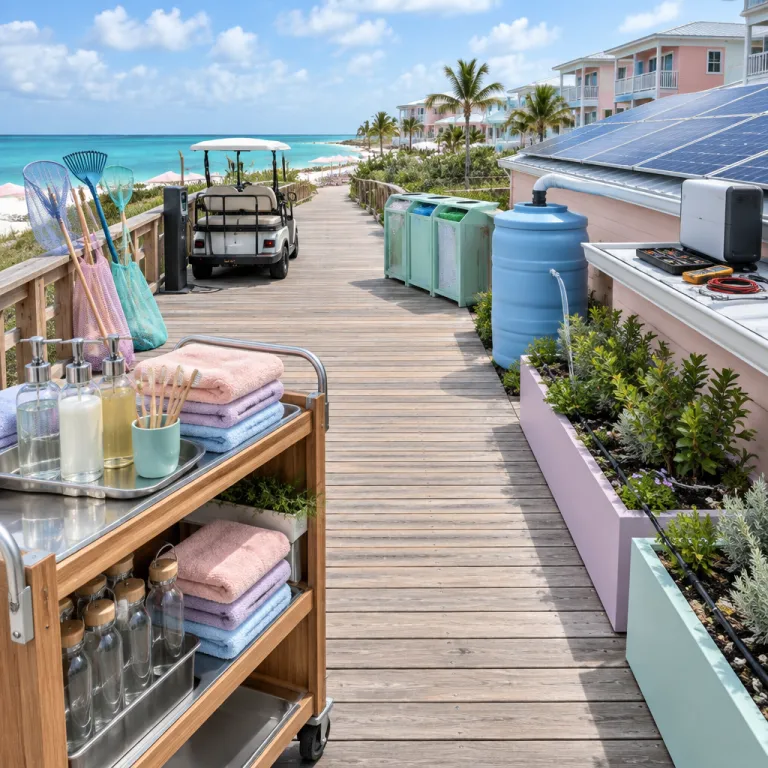
World Tourism Day and why the Bahamas cannot afford greenwashing
World Tourism Day lands differently in the Bahamas, where tourism is the economy. The archipelago’s leaders talk about sustainable tourism with unusual urgency because every marine current, coral reef and mangrove flat underpins jobs from Nassau boardrooms to Andros bonefishing docks. For travelers choosing bahamas sustainable tourism hotels, the question is no longer whether properties have a sustainability policy, but whether that policy genuinely protects the ocean and the communities that live beside it.
The government positions the Bahamas as a regional sustainability leader, tying tourism growth to environmental conservation and strict environmental impact rules for new island developments. Policy now leans heavily on expanding marine protected areas and national park networks, often in partnership with the Bahamas National Trust and the Nature Conservancy, to shield coral reefs, seagrass beds and blue holes that drive high value dive tourism. When you book at higher end properties in Nassau, on Paradise Island or in Grand Bahama, you are stepping into this national experiment where luxury, conservation and climate change resilience must coexist.
World Tourism Day messaging often sounds polished and distant, yet in the Bahamas the stakes are visible in every eroding beach and stressed coral reef. Rising ocean temperatures and stronger storms threaten marine life, coastal infrastructure and the very idea of carefree island escapes. Choosing eco friendly properties from the growing list of bahamas sustainable tourism hotels is one of the few levers travelers control, and it matters more here than in destinations where tourism is just one industry among many.
From pledges to practice: how leading resorts are rethinking luxury
On Nassau’s Cable Beach, Baha Mar has become a test case for whether large scale luxury can align with sustainable tourism. The resort’s energy efficiency upgrades, water reuse systems and single use plastic bans are not marketing flourishes, but cost saving necessities in a fragile island environment where every kilowatt and litre must be managed. Guests who learn to ask about these systems quickly see which bahamas sustainable tourism hotels are serious and which are still trading on vague environmental language.
Across the bridge on Paradise Island, Atlantis has shifted from pure entertainment complex to a more complex environmental actor. The Atlantis Blue Project Foundation, often shortened locally to the Atlantis Blue Project Foundation, funds coral restoration, marine life research and community education, turning the resort’s marine exhibits into gateways for conservation rather than just spectacle. When you stay at Atlantis on Paradise Island or at nearby Rosewood Baha Mar, you can join guided experiences that explain how coral reefs, mangroves and seagrass meadows buffer the Bahamas from climate change impacts while sustaining fisheries and high end tourism.
For executives extending business trips into leisure, the question becomes how to align corporate values with personal travel choices. Properties such as Rosewood Baha Mar and the Ocean Club on Paradise Island now publish detailed sustainability reports, outlining energy use, waste reduction and support for local community projects in Nassau and beyond. If you want a deeper briefing on how the country is betting its future on eco luxury, read this analysis of why the Bahamas is betting its future on eco luxury before you choose among bahamas sustainable tourism hotels.
Islands on the front line: reefs, protected areas and the Sustainable Islands Challenge
Step away from Nassau Paradise Island and the sustainability story becomes even sharper. On Andros, where the Andros Barrier Reef and vast wetlands define the horizon, national park designations and other protected areas safeguard spawning grounds, blue holes and mangrove nurseries that feed the wider Bahamas national marine system. Here, sustainable tourism is not a slogan but a management tool, balancing small scale lodges, bonefishing guides and community guesthouses with strict conservation rules.
Grand Bahama, still rebuilding after major storms, is another laboratory for climate change adaptation and eco friendly development. Resorts that once focused solely on volume now work with the Bahamas National Trust and the Nature Conservancy to restore dunes, replant coastal vegetation and monitor coral reefs that support snorkelling and diving. These projects often fall under broader national and international frameworks, including the Sustainable Islands Challenge, which highlights islands that turn tourism revenue into measurable conservation outcomes.
World Tourism Day events increasingly spotlight such initiatives, moving beyond speeches to on the ground reef restoration and community clean ups. Government agencies, the national trust and private foundations collaborate to expand marine protected areas and strengthen enforcement, especially around high pressure zones near Nassau, Paradise Island and key outer island cays. To understand how this will shape future bahamas sustainable tourism hotels, keep an eye on major gatherings such as the upcoming global sustainable tourism conference in the Bahamas, where policy, hotel operators and conservation scientists share the same stage.
How to book smarter: reading between the sustainability lines
For travelers, the practical question on World Tourism Day is how to separate real sustainability from polished marketing. Start by checking whether a property supports a recognised project foundation, such as the Atlantis Blue Project Foundation or a local community conservation initiative on Andros or Grand Bahama. Genuine bahamas sustainable tourism hotels usually publish clear data on energy use, water management, waste reduction and contributions to marine conservation or national park funding.
Look for hotels that partner with the Bahamas National Trust, the Nature Conservancy or similar organisations to support coral reef monitoring, mangrove restoration or marine life research. Ask whether your stay contributes to specific environmental projects, such as coral out planting on nearby reefs or seagrass mapping in sensitive marine zones. When a resort can explain exactly how your room rate helps protect the surrounding environment, you are likely dealing with a property that treats sustainability as core business rather than seasonal branding.
Finally, consider how your own behaviour aligns with the islands you visit, from Nassau Paradise Island to quieter stretches of Grand Bahama or Andros. Choose eco friendly excursions that respect protected areas, avoid touching coral or feeding marine life and support local guides who share traditional knowledge of the ocean and the blue shallows. If you want a stay that matches this mindset, explore curated options such as the serene stays at the Ocean at Taino Beach, which highlight properties where luxury, conservation and community engagement are genuinely intertwined across the Bahamas.
FAQ
How can I tell if a Bahamian hotel is genuinely sustainable ?
Look for transparent reporting on energy, water and waste, plus clear partnerships with organisations such as the Bahamas National Trust or the Nature Conservancy. Genuine bahamas sustainable tourism hotels usually support specific marine or community projects rather than vague environmental pledges. If staff can explain how your stay contributes to conservation, that is a strong sign of authenticity.
Which Bahamian islands are best for eco conscious luxury stays ?
Nassau and Paradise Island offer high service standards with improving sustainability practices at properties like Baha Mar, Atlantis and the Ocean Club. Andros and Grand Bahama provide quieter, more nature focused stays near national parks, coral reefs and blue holes. Your choice depends on whether you prioritise resort amenities or direct access to protected areas and marine life.
What should I look for in marine excursions to minimise environmental impact ?
Choose operators who brief guests on coral reef etiquette, prohibit touching marine life and avoid anchoring on sensitive habitats. Responsible guides limit group sizes, use fuel efficient boats where possible and support reef monitoring or beach clean ups. If an excursion company works with a recognised project foundation or conservation group, that is an encouraging indicator.
Are large resorts or smaller properties better for sustainable tourism in the Bahamas ?
Large resorts such as Baha Mar and Atlantis have the capital to invest in solar power, advanced water treatment and reef restoration partnerships. Smaller properties on islands like Andros may have lighter footprints and closer ties to local communities and national park initiatives. The most sustainable choice is usually the hotel, large or small, that can show concrete environmental results and meaningful community engagement.
How does climate change influence hotel development in the Bahamas ?
Rising sea levels and stronger storms force developers to rethink coastal siting, building standards and insurance costs. Many new or renovated bahamas sustainable tourism hotels now incorporate elevated structures, dune restoration and setbacks from vulnerable shorelines. These adaptations protect both guests and the environment while supporting long term tourism viability.