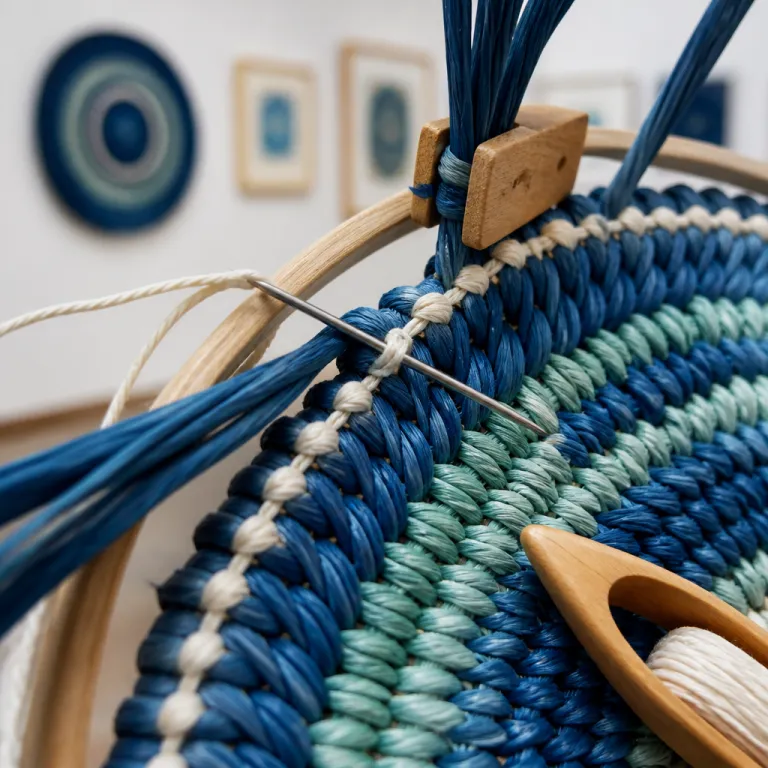
From nassau straw market to luxury lobby: why craft matters for your stay
The bahamas artisan craft straw market is often your first brush with bahamian culture when you step off the plane or cruise ship. Yet for travelers booking luxury hotels in Nassau or on Paradise Island, that same straw market tradition quietly shapes the aesthetics, stories and sense of place inside the most refined properties. Understanding how straw weaving, handmade crafts and wood carvings move from market stalls to gallery walls helps you choose a stay that feels genuinely rooted in the islands.
In downtown Nassau, the main straw market on Bay Street sits between duty free shopping and the cruise port, but its influence reaches far beyond this busy strip. Hotel designers now work directly with bahamian artisans, commissioning handmade straw panels, traditional straw wall pieces and carved coral stone sculptures that echo the textures of market Nassau rather than importing generic décor. When you walk into a lobby lined with nassau straw baskets, hand painted Junkanoo masks and polished wood carvings, you are seeing the same bahamian craftsmanship that powers the market straw economy, simply curated for a quieter, more contemplative space.
For guests, this connection changes the entire shopping experience and the way you move through the city. A morning browsing handmade items and souvenirs in the straw market downtown Nassau can become a private studio visit in the afternoon, arranged through your concierge with the same bahamian artisans whose work you admired in your hotel suite. Choosing a property that supports local crafts and cultural tourism is not just an aesthetic decision ; it is a way to ensure your time and tourism spending flow back into the communities that keep bahamian culture alive.
Straw weaving lineages: from out island yards to nassau’s markets
Long before the first cruise ship docked in Nassau, women on the Out Islands were plaiting straw in the shade of almond trees, turning palm fronds into baskets, hats and storage pieces that defined traditional bahamian life. That same straw weaving lineage now anchors the bahamas artisan craft straw market, where visitors see rows of bags and sun hats without always realizing the generational knowledge behind each pattern. The difference between a quick souvenir and a piece of serious bahamian craftsmanship often lies in the tightness of the plait, the subtle color shifts and the time invested in each coil.
In market Nassau, especially around Bay Street and the cruise port, you will find both mass produced imports and genuinely handmade straw work, sometimes on the same table. Look for bahamian artisans who can explain which island their straw comes from, how long they have been weaving and what traditional straw patterns they use for different crafts. When a vendor talks about learning from a grandmother in Andros or Cat Island, you are hearing the living history that luxury hotels now seek out when they commission custom handmade straw wall panels or limited edition baskets for their suites.
Many high end properties quietly support these lineages by funding training programs and hosting seasonal markets that bring Out Island makers into downtown Nassau and Paradise Island. As a guest, you can ask your concierge which local market offers direct access to weavers, or request a visit to a studio where handmade crafts are produced away from the crowds. Pair that with an evening exploring live music and cultural traditions through guides such as the piece on how music sounds different on every island at this in depth island music guide, and your stay shifts from simple tourism to a deeper cultural immersion.
Beyond bay street: junkanoo artists, galleries and hotel commissions
Step away from Bay Street and the straw market, and another layer of bahamian culture comes into focus in the form of Junkanoo costume studios and contemporary art galleries. In modest warehouses on the edges of downtown Nassau, artists spend months building Junkanoo suits from cardboard, crepe paper and gemstones, creating pieces that rival any gallery installation. These same creatives increasingly collaborate with luxury hotels, translating parade scale drama into lobby sculptures, framed works and limited edition prints that give visitors a richer sense of place than any generic seascape.
The growing gallery scene in Nassau and on New Providence Bahamas has become a quiet magnet for hotel developers who want properties to feel distinctly bahamian rather than interchangeable. Curators now source paintings, mixed media works and even carved wood pieces from local studios, integrating them alongside handmade straw objects and traditional straw baskets sourced from the straw market. When you see a corridor lined with bold Junkanoo inspired canvases and small vitrines filled with market straw miniatures, you are witnessing a deliberate effort to move bahamian artisans from street stall to gallery wall.
For travelers, this means your hotel can act as a bridge between the cruise port bustle and the more intimate cultural tourism experiences that lie just beyond. Ask staff to arrange a visit to a Junkanoo shack or a gallery tour that includes both established spaces and emerging collectives, then follow it with a traditional bahamian breakfast at a local café, guided by resources such as the detailed breakfast guide at this bahamian breakfast deep dive. By the time you return to your room, the straw hat on your bedside table and the framed print above your bed will feel less like décor and more like part of a larger cultural conversation.
Craft as quiet engine: how artisans sustain islands beyond the cruise port
Behind every stall in the bahamas artisan craft straw market sits an economic story that stretches back to small settlements on New Providence Bahamas and far beyond. Straw, wood and fabric crafts have long provided income that carries families through the slow months when tourism dips and cruise schedules thin. When you buy handmade items directly from bahamian artisans, whether in downtown Nassau or at a small weekend market, you are supporting a network that reaches into classrooms, church groups and informal training circles.
Many weavers and carvers split their time between the main straw market, smaller neighborhood markets and seasonal pop ups hosted by hotels that want to bring local culture into their public spaces. A single handmade straw bag or set of wood carvings can represent days of work, from harvesting and drying the straw to finishing the final plait or polish. Properties that integrate these crafts into their design and retail spaces often go further, offering fair contracts, pre orders and storage so that market offers remain stable even when the weather turns or cruise traffic slows.
For the solo traveler choosing where to stay, this background matters because it shapes the kind of cultural tourism you participate in. A hotel that partners with local cooperatives, hosts workshops on straw weaving and connects guests with artisans beyond Bay Street helps keep bahamian craftsmanship viable year round. To balance days spent in markets and studios, you can also explore slower wellness focused experiences through guides such as the retreat focused feature at this emerging retreat scene overview, creating an itinerary where your time, spending and attention all support a more sustainable bahamian culture.
Designing your stay: how to engage with bahamian craft thoughtfully
Choosing a luxury hotel in the Bahamas becomes more meaningful when you look at how each property engages with the bahamas artisan craft straw market and the wider creative community. Some addresses near Bay Street and Paradise Island offer curated in house markets where visitors can meet weavers, carvers and painters in a calm setting away from the cruise port crowds. Others arrange private excursions to market Nassau, pairing a guided walk through the straw market with visits to nearby studios where handmade crafts and gallery pieces are created.
As you plan, ask specific questions about how the hotel sources its décor, whether it commissions nassau straw work or traditional straw pieces from named bahamian artisans, and if it offers workshops or talks on bahamian culture. Properties that can point to long term relationships with makers, rather than one off purchases of generic items, tend to deliver a richer shopping experience and a more authentic sense of place. When a concierge can introduce you to the person who wove the basket in your room or carved the wooden mask in the lobby, the line between straw market and gallery wall dissolves in the best possible way.
On the ground, move beyond quick souvenirs and take the time to learn how market straw is harvested, how handmade straw bags differ from machine stitched versions and why certain crafts are tied to specific islands. Spend an afternoon in downtown Nassau exploring both the main straw market and smaller side street stalls, then end the day in a gallery where those same materials appear in contemporary art. By approaching each purchase as part of a larger cultural tourism journey, you help ensure that bahamian craftsmanship remains a living, evolving force rather than a backdrop for passing visitors.
FAQ
How can I tell if straw work at the nassau straw market is genuinely handmade ?
Look closely at the tightness and consistency of the plaiting, then ask the vendor which island the straw comes from and how long each piece takes to make. Genuine handmade straw items usually show subtle irregularities, with ends carefully tucked rather than glued. Artisans who practice traditional straw weaving are typically proud to explain their process and lineage.
Which luxury areas are best for accessing both markets and galleries in Nassau ?
Staying near downtown Nassau or on nearby Paradise Island gives you quick access to the main straw market on Bay Street, the cruise port area and the growing cluster of galleries on New Providence Bahamas. Many high end hotels in these zones offer shuttle services or guided walks that link markets, studios and exhibition spaces. This makes it easy to move from shopping for souvenirs to viewing museum quality bahamian craftsmanship in a single afternoon.
Are purchases at the bahamas artisan craft straw market a meaningful way to support local communities ?
Buying directly from bahamian artisans at the straw market or smaller neighborhood markets channels money straight into family businesses and informal cooperatives. These sales often supplement seasonal tourism jobs, helping makers cover costs during quieter months. Choosing clearly handmade crafts and asking about the maker’s story can deepen both your impact and your connection to bahamian culture.
Can hotels arrange workshops or studio visits with bahamian artisans ?
Many luxury properties in Nassau and on Paradise Island now collaborate with local makers to offer straw weaving demonstrations, carving workshops and private studio visits. These experiences can usually be arranged through the concierge with a day or two of notice. They provide a quieter alternative to the cruise port rush and allow visitors to see how market straw and other materials are transformed into finished pieces.
What should I prioritize if I have limited time in Nassau but want an authentic craft experience ?
With only a short window, focus on a guided visit to the main straw market downtown Nassau combined with one or two nearby galleries or studios. This pairing shows both the everyday market offers and the more curated side of bahamian craftsmanship. Even a few hours spent this way can give you a grounded sense of how straw, wood carvings and contemporary art all contribute to the islands’ cultural identity.