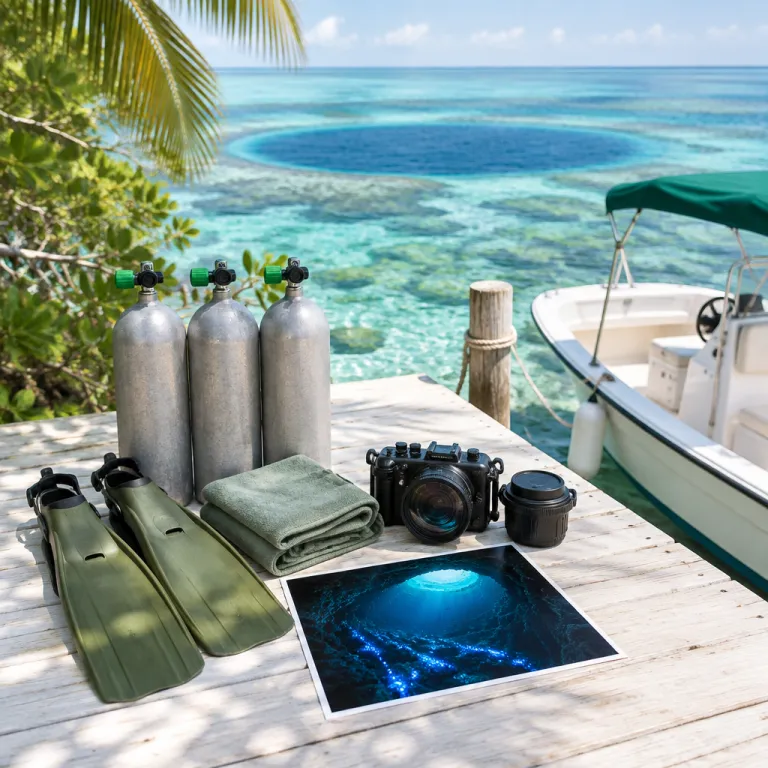
Bahamas night dive bioluminescence from a luxury hotel base
Bahamas night dive bioluminescence is not a casual add on to a beach holiday. It is an underwater experience that reshapes how you think about the ocean at night, especially when you pair it with a carefully chosen luxury or premium hotel. When you plan your trip around the best night dives and blue hole expeditions, the right property becomes your staging ground rather than just a place to sleep.
High end resorts in Nassau, Paradise Island and the Out Islands now curate night diving and bioluminescent plankton encounters as signature activities. Many work with PADI certified scuba diving operators to design a precise dive plan, from the first briefing of the day to the final dive time after sunset. You will see this in how concierges talk about marine life, how they arrange private dive lights, and how they coordinate transfers to the most reliable dive sites for glowing creatures.
For serious divers, the best hotels function like a well run liveaboard without the cramped cabins. You get shore diving access to a calm house reef in front of the property, then boat dives to deeper walls where nocturnal creatures emerge after dark. The bahamas night dive bioluminescence focus means staff understand that a late night dive requires flexible dining hours, quiet late checkouts and thoughtful details like warm towels waiting on the dock.
Some travelers compare the Bahamas to diving Bonaire or even a trip to Raja Ampat, but the rhythm here is different. In Bonaire, the bonaire best reputation comes from easy shore diving and self guided dives at almost every marked dive site. In the Bahamas, you rely more on expert guides and hotel concierges who know which reef will glow, which marine creatures are likely to appear and which night dives are genuinely the best dive options for your level.
Where luxury hotels meet glowing reefs and bioluminescent bays
Choosing the right property is the single best way to unlock bahamas night dive bioluminescence without logistical stress. On New Providence, several luxury resorts partner with established scuba diving centers that run both day and night dives to nearby reef systems. These operators know which dive site offers the most consistent bioluminescent plankton and which walls shelter the richest marine life after dark.
Out Island lodges on Andros, Exuma and Long Island often sit beside a house reef that comes alive at night. You might spend the day bonefishing or sailing, then slip into the water for a guided night dive directly from the beach with only your dive lights and the faint shore glow behind you. The best scuba teams here time each dive so that divers enter just after sunset, when nocturnal creatures like octopus, slipper lobster and basket stars begin to hunt.
Premium hotels are also weaving astronomy and gastronomy into the experience. Some arrange stargazing sessions on remote sandbars after your night diving excursion, pairing dark skies with rum tastings and chef driven snacks. If you care as much about what is in your glass as what you see underwater, look for properties that already highlight spirit forward dining and distillery focused evenings, similar in spirit to the venues featured in this guide to where Bahamian rum meets the table.
When you read hotel descriptions, look beyond generic mentions of scuba diving or reef tours. Ask whether they can arrange a private night dive, how many divers they allow per guide and which specific dive sites they use for bioluminescent trips. A serious property will answer with concrete details about dive time, depth, expected marine creatures and whether the site is better for beginners or advanced divers who already have night diving experience.
Night diving, blue holes and the psychology of darkness
Night diving in the Bahamas is not simply day diving with a torch. The same reef that felt open and sunlit at midday becomes a tight corridor of light and shadow, where your beam picks out one coral head at a time. Many divers report that their first night dive feels more intense than their first open water certification, because the darkness heightens every sound and movement.
On a typical bahamas night dive bioluminescence excursion, guides brief you carefully on communication and positioning. You will descend as a group, switch off your dive lights at a signal and watch as bioluminescent plankton ignite with every kick and hand movement. The glow can feel almost unreal, like swimming through a reversed night sky where marine life writes temporary constellations around you.
Blue hole expeditions add another layer to this psychological shift. Inland blue holes on Andros and other islands are often accessed by truck, then entered from a small dock or limestone ledge, with divers dropping into a shaft of clear water that quickly turns to deep cobalt. At night, the surface light disappears within a few metres, so your dive plan must be meticulous, your dive time conservative and your trust in the guide absolute.
For solo explorers used to shore diving in places like Bonaire or planning independent trips to Raja Ampat, this reliance on a tight team can feel new. Yet it is precisely this focus that makes the best dive experiences here so memorable, because you surrender some control and let the site dictate the pace. If you want to understand how Bahamian guides think about risk and reward, read practical field notes such as those in this primer on bonefishing in the Bahamas, which echo the same respect for tides, light and timing.
How to plan your luxury night dive and bioluminescence itinerary
Building a bahamas night dive bioluminescence itinerary starts with your comfort level underwater. If you have limited diving experience, choose a hotel that offers a gentle house reef with easy entry and shallow depths for your first night dive. More advanced divers can look for properties that arrange boat based night dives on walls and blue holes, where the marine life is denser and the glow more dramatic.
Work with your hotel concierge and the dive center to create a realistic dive plan. A typical pattern might be one day dive to a nearby reef, a long surface interval with rest and an early dinner, then a single night dive with a strict maximum dive time. You will want at least one non diving day between intense night dives, both to respect no fly limits and to give your senses a break from the constant stimulus of light, shadow and nocturnal creatures.
Pack or rent high quality dive lights, ideally a primary torch and a smaller backup. Many luxury properties now stock premium gear, but serious divers still prefer to travel with their own familiar equipment, especially for night diving. Ask whether the operator provides red filtered lights for observing shy marine life, and whether they schedule night dives only on calm nights when the site is sheltered from wind and current.
Between underwater sessions, use the islands themselves as part of the sensory reset. Spend a day walking local settlements, tasting conch salad at a dockside stand or browsing artisans whose work is profiled in this feature on Bahamian craft from straw market to gallery wall. These surface level experiences balance the intensity of repeated dives and remind you that the Bahamas is as rich above the waterline as it is below.
Choosing the right island, operator and hotel for after dark adventures
Not every Bahamian island offers the same quality of bahamas night dive bioluminescence experiences. Nassau and Paradise Island provide the widest range of luxury hotels and professional scuba diving operators, with easy access to reef dive sites and wrecks suitable for both day and night dives. The Out Islands, by contrast, trade variety for intimacy, with fewer properties but often better access to pristine marine life and darker skies.
When you compare options, think about what matters most on this particular trip. If you want a full resort environment with multiple restaurants, spas and non diving activities, a high end property near Nassau might be the best fit, even if the reef has seen more divers. If you care more about quiet nights, minimal light pollution and the feeling that the house reef belongs only to your small group, then a remote lodge on Andros, Exuma or Long Island will likely serve you better.
Ask specific questions about how operators handle night dives and blue hole expeditions. A serious team limits group size, assigns clear buddy pairs, reviews the dive plan in detail and cancels if conditions are not ideal, even when guests are eager to continue reading the brochure and push ahead. They will also be honest about which dive site is currently the best dive option for bioluminescent plankton, and which nights are better spent stargazing on the beach rather than forcing a marginal underwater experience.
For travelers who have dived in places like Bonaire or Raja Ampat, the Bahamas will feel both familiar and distinct. You still chase the same underwater glow, the same marine creatures and the same quiet thrill of moving through the night, but the cultural frame is different. Here, the day might end not with a shore diving debrief on a truck tailgate, but with a slow walk back to a candlelit terrace, where staff already know your name and the bar team has your preferred post dive drink waiting.
FAQ
Is bahamas night dive bioluminescence suitable for beginner divers ?
Bahamas night dive bioluminescence trips can be suitable for beginners if they already feel comfortable with basic scuba diving skills. Many operators require at least one recent day dive before allowing a night dive, so they can assess buoyancy and communication. If you are newly certified, choose a hotel that offers shallow house reef sites and small group ratios for your first night diving experience.
What marine life will I see on a Bahamas night dive ?
On a typical Bahamas night dive, you may see octopus, lobster, moray eels and basket stars that remain hidden during the day. When guides ask you to switch off your dive lights, bioluminescent plankton often create a soft glow around your hands and fins. The exact marine life varies by dive site and season, so ask your operator which nocturnal creatures are most common during your travel dates.
How should I choose a hotel for night diving and blue hole trips ?
Look for luxury or premium hotels that partner with established scuba diving centers and can name specific dive sites they use for night dives and blue hole expeditions. A good property will discuss dive time limits, safety procedures and group sizes in detail rather than offering vague promises. If possible, select a hotel with an accessible house reef, so you can warm up with easy dives before committing to deeper or more technical sites.
Do I need special equipment for bahamas night dive bioluminescence ?
You will need at least one reliable primary dive light and a backup, plus standard scuba diving gear such as a wetsuit, mask, fins and regulator. Many luxury hotels and operators provide high quality rental equipment, but frequent divers often prefer to travel with their own lights for familiarity and reliability. A thin wetsuit is usually sufficient in Bahamian waters, yet some guests choose slightly thicker exposure protection for longer night dives when they move less and feel cooler.
How does Bahamas night diving compare to destinations like Bonaire ?
Bonaire is famous for easy shore diving and self guided access to many marked dive sites, while the Bahamas relies more on guided boat dives and curated experiences from hotels. Bahamas night dive bioluminescence trips often focus on specific reefs and blue holes where conditions favour glowing plankton and active nocturnal creatures. If you enjoy the independence of diving Bonaire, you may appreciate the Bahamas as a complementary destination where expert guides and luxury properties shape a different style of underwater night.