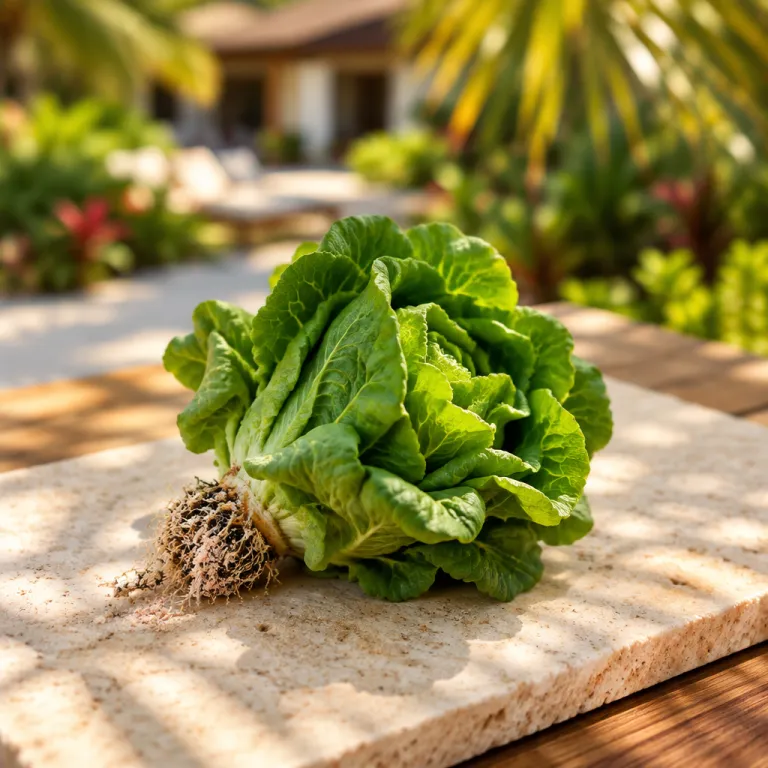
Why bahamas farm to table local produce matters for luxury travelers
On most Bahamian islands, almost every tomato, lettuce leaf and onion is imported. For a luxury traveler who cares about flavour and footprint, bahamas farm to table local produce becomes a quiet form of resistance, and a way to taste the archipelago rather than a shipping container. When you choose a property that invests in local farmers and nearby waters, your dining experiences support real people and protect fragile island economies.
The country’s geography makes large scale farm operations difficult, so each farmer works with thin soil, salty breezes and limited freshwater. That is why a plate of fresh locally grown arugula or a garden table salad of seasonal produce feels so rare, and why chefs talk about each farm table delivery almost the way sommeliers discuss vintages. When a restaurant team builds its table cuisine around locally sourced ingredients, every course tells a story about the island where you are staying.
For couples booking premium stays, this shift changes how you evaluate a property and its meals. Instead of only scanning for lobster and Champagne, you start asking which dining experiences are based on local farmers, which table restaurant menus highlight fresh seafood from nearby waters, and which chefs can explain exactly where their vegetables were sourced. That is the essence of bahamas farm to table local produce for discerning guests who want romance, responsibility and remarkable flavour on the same table.
From Andros to Eleuthera: where Bahamian farms quietly thrive
Andros, Eleuthera and Long Island are the quiet backbone of bahamas farm to table local produce. On Eleuthera Bahamas, small patches of red earth support papaya, okra, tomatoes and fragrant herbs, while a farmer near Rock Sound might tend goats in the morning and deliver crates of greens to a harbour island hotel by afternoon. These islands are where the farm side of farmer table dining begins, long before the linen is pressed and the wine is chilled.
On Eleuthera, you will hear chefs talk about specific plots the way wine people talk about vineyards, because each farm is small, idiosyncratic and fiercely tended. A couple staying at a luxury property near Rock Sound might tour a garden that supplies their restaurant, walking between rows of locally grown callaloo and basil before sitting down to a long table lunch. When a menu notes that its based dishes are built around seasonal produce from a named farm, that is not marketing language ; it is a logistical triumph in a country where shipping delays can derail an entire week of meals.
Harbour Island, with its polished beach clubs and high end villas, relies heavily on these quieter agricultural neighbours. A chef there might design table dining menus that change every few days, depending on which farmer table delivery actually makes the boat. If you are planning island restaurant excursions worth the ferry ride, study how each property talks about its farm table relationships and whether they mention Eleuthera Bahamas or other specific islands by name, because that is usually where the real flavour begins.
From nearby waters to the plate: the fishing supply chain behind luxury menus
While farms handle the greens and herbs, nearby waters supply the protein that defines Bahamian table cuisine. Conch divers, lobster fishers and small boat crews leave before sunrise, returning with fresh seafood that can reach a hotel restaurant by late afternoon if the logistics behave. When you see grilled snapper, cracked conch or lionfish ceviche on a menu that emphasises bahamas farm to table local produce, you are tasting a supply chain that is both fragile and deeply human.
On islands like Eleuthera and Harbour Island, many luxury properties work with the same small circle of fishers season after season. A chef might plan dining experiences around the lobster season, building long table dinners on the beach where each course is based on what the boats brought in that morning, then pairing it with garden table salads of locally grown greens. If you are curious about the real Bahamian breakfast traditions that locals cherish, including how fish appears at the first meal of the day, read the guide to Bahamian breakfast and the meals tourists miss before you book.
For couples choosing a property, ask how the hotel stays connected to its fishers and whether the chef can name the boats that supply the kitchen. A restaurant that builds based dishes around daily catch rather than frozen imports will usually highlight this on the menu and during table dining service. When a server can explain which island the fish came from and how it was sourced, you are in the right place for bahamas farm to table local produce that respects both sea and season.
Hotel gardens, long tables and the new language of luxury dining
Some of the most interesting bahamas farm to table local produce work now happens inside the properties themselves. A handful of luxury hotels on Eleuthera, Harbour Island and New Providence have carved out garden spaces where chefs and gardeners collaborate on what will appear at the garden table each evening. These plots rarely look like a traditional farm, but they turn unused corners of a property into productive soil and give guests a tangible connection to their meals.
At certain high end resorts, couples can wander through a garden before dinner, brushing past basil, mint and Scotch bonnet peppers that will later anchor their table restaurant cocktails and sauces. Long table dinners are often staged right beside these beds, with courses that move from vegetarian options built around locally grown vegetables to fresh seafood from nearby waters, all framed as a single narrative of the island. When a hotel describes its dining experiences as garden based or farm table inspired, ask whether you can tour the plots or meet the gardener, because that is where the romance becomes real.
For travelers who care about staying informed, this is also where you see the economics of bahamas farm to table local produce up close. A property that invests in irrigation, composting and training for local farmers will usually charge more for its meals, but the premium reflects labour, risk and resilience rather than only ambience. If you want to go deeper into how traditional meals shape the culture you are tasting, the feature on Bahamian breakfast and everyday food rituals is an essential companion read.
How to book a stay that truly supports bahamas farm to table local produce
When you browse a luxury booking website for the Bahamas, the language around food can feel interchangeable. To find properties that genuinely support bahamas farm to table local produce, read beyond the adjectives and look for specific references to farm partners, local farmers and named islands like Eleuthera Bahamas or Harbour Island. A serious commitment usually shows up in concrete details about seasonal produce, locally grown herbs and fresh seafood from nearby waters.
Before you reserve, email the hotel and ask pointed questions about its dining programmes and table cuisine. Does the restaurant team work with a particular farmer near Rock Sound, or maintain its own garden table on the property, or host long table events that feature based dishes built entirely from locally sourced ingredients. The more clearly a hotel can explain how its meals are sourced, the more likely your dining experiences will reflect the true flavours of the island rather than a generic resort template.
During your stay, stay connected to the story behind each plate by talking with servers, bartenders and chefs. Ask which vegetarian options rely on local farms, which table dining menus change with the seasons and how the property supports farmer table initiatives beyond simple purchasing. When you choose hotels that invest in this deeper ecosystem, you are not only eating well ; you are helping ensure that bahamas farm to table local produce remains viable for the next generation of travelers and the communities who host them.
FAQ
Why is bahamas farm to table local produce often more expensive at luxury hotels ?
Local ingredients in the Bahamas cost more because small scale farms and fishers face higher production and transport costs than large importers. When a property commits to farmer table partnerships, it often pays premium prices to support local farmers, maintain reliable supply and absorb the risk of storms or shipping delays. The higher menu price reflects labour, logistics and resilience, not only the restaurant’s margin.
Which Bahamian islands are best for farm focused dining experiences ?
Eleuthera, Andros and Long Island are key islands for bahamas farm to table local produce, with small farms supplying herbs, vegetables and fruit to nearby hotels. Harbour Island benefits from these neighbours, as many of its luxury properties source greens and seasonal produce from Eleuthera Bahamas and other farming communities. When you see Rock Sound, Andros or Long Island mentioned on a menu, you are usually in a restaurant that takes local sourcing seriously.
How can I tell if a hotel restaurant really uses locally grown ingredients ?
Authentic farm table or garden table programmes are usually described in detail on property websites and menus, naming specific farms, islands or local farmers. During your stay, ask staff where the fresh seafood and vegetables were sourced and whether the chef adjusts based dishes according to seasonal produce. Clear, confident answers are a strong sign that bahamas farm to table local produce is more than a marketing phrase.
Are there good vegetarian options within bahamas farm to table local produce dining ?
Yes, although the Bahamas is famous for fresh seafood, many chefs now design vegetarian options around locally grown vegetables, beans and tropical fruit. On islands with active farms, you will often find table dining menus that highlight garden based dishes, from roasted root vegetables to herb rich salads. When booking, ask the property whether its dining experiences can create plant forward meals using local ingredients rather than imported substitutes.
Do I need to leave my resort to enjoy the best local food experiences ?
Some luxury properties now offer excellent bahamas farm to table local produce on site, especially those with strong relationships to nearby farms and fishers. However, many travelers still choose to explore independent table restaurant options on Eleuthera, Harbour Island or New Providence to experience different dining experiences and price points. A balanced approach works well ; enjoy your hotel’s curated menus, then venture out for at least one meal that connects you directly with the island’s food culture.